# Why Some Homes Feel Bigger Than They Actually Are
A 1,500-square-foot home can feel spacious while another identical-sized property feels cramped. Design choices, not just square footage, determine how buyers and renters perceive space. Redfin research identifies several factors that expand the sense of room.
Light plays the primary role. Homes with large windows, skylights, or south-facing exposures feel 15-20% larger than identical spaces with limited natural light. Sellers and landlords should maximize window treatments and remove heavy curtains during showings. Paint colors matter equally. Light neutrals, whites, and soft grays reflect light and create airiness. Dark walls absorb light and compress perceived space.
Layout flows second. Open-concept designs eliminate visual barriers between rooms, making living areas feel continuous. A 500-square-foot open living-dining space reads larger than the same footage chopped into separate rooms. Conversely, excessive walls and doors fragment space psychologically.
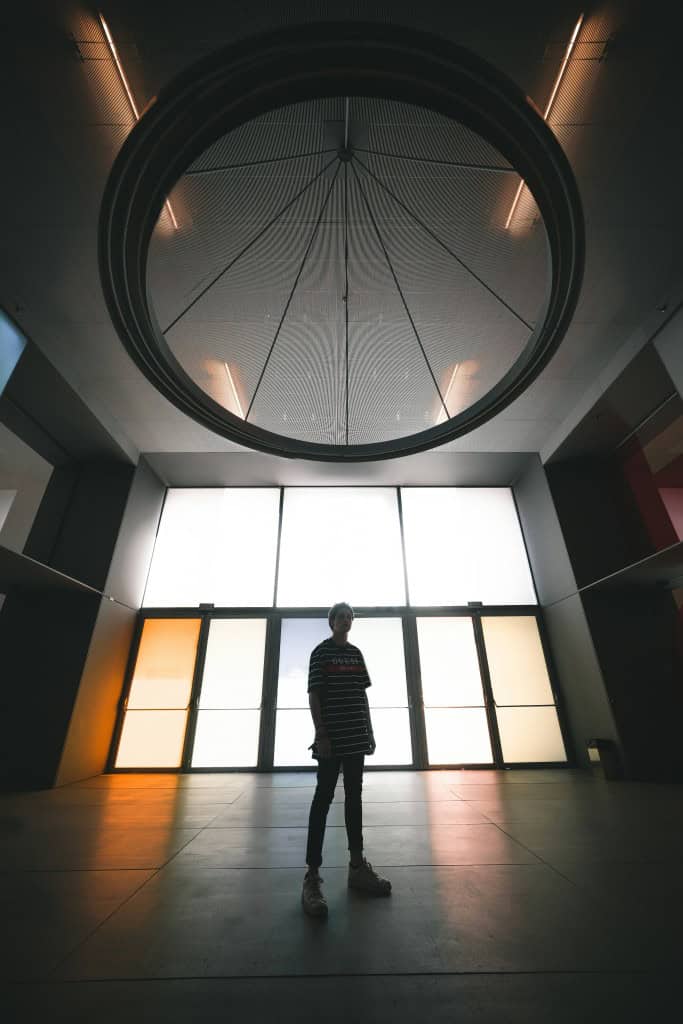
Ceiling height changes perception dramatically. Homes with 9-10 foot ceilings feel noticeably more spacious than 8-foot standards. Removing soffit encroachments and painting ceilings light colors amplifies this effect. Mirror placement creates optical illusions of expanded room. Positioning mirrors opposite windows doubles the perceived light and depth.
Furniture choices impact walkability and sight lines. Oversized furniture in small spaces compresses rooms. Low-profile pieces, minimal clutter, and strategic placement preserve sightlines. Homes staged with intentional negative space show better at open houses than those stuffed with belongings.
For buyers, these insights shift negotiation strategy. A smaller home with superior light, color, and layout may deliver better value than larger footage with poor design. Renters seeking affordability should prioritize light-filled spaces with open plans