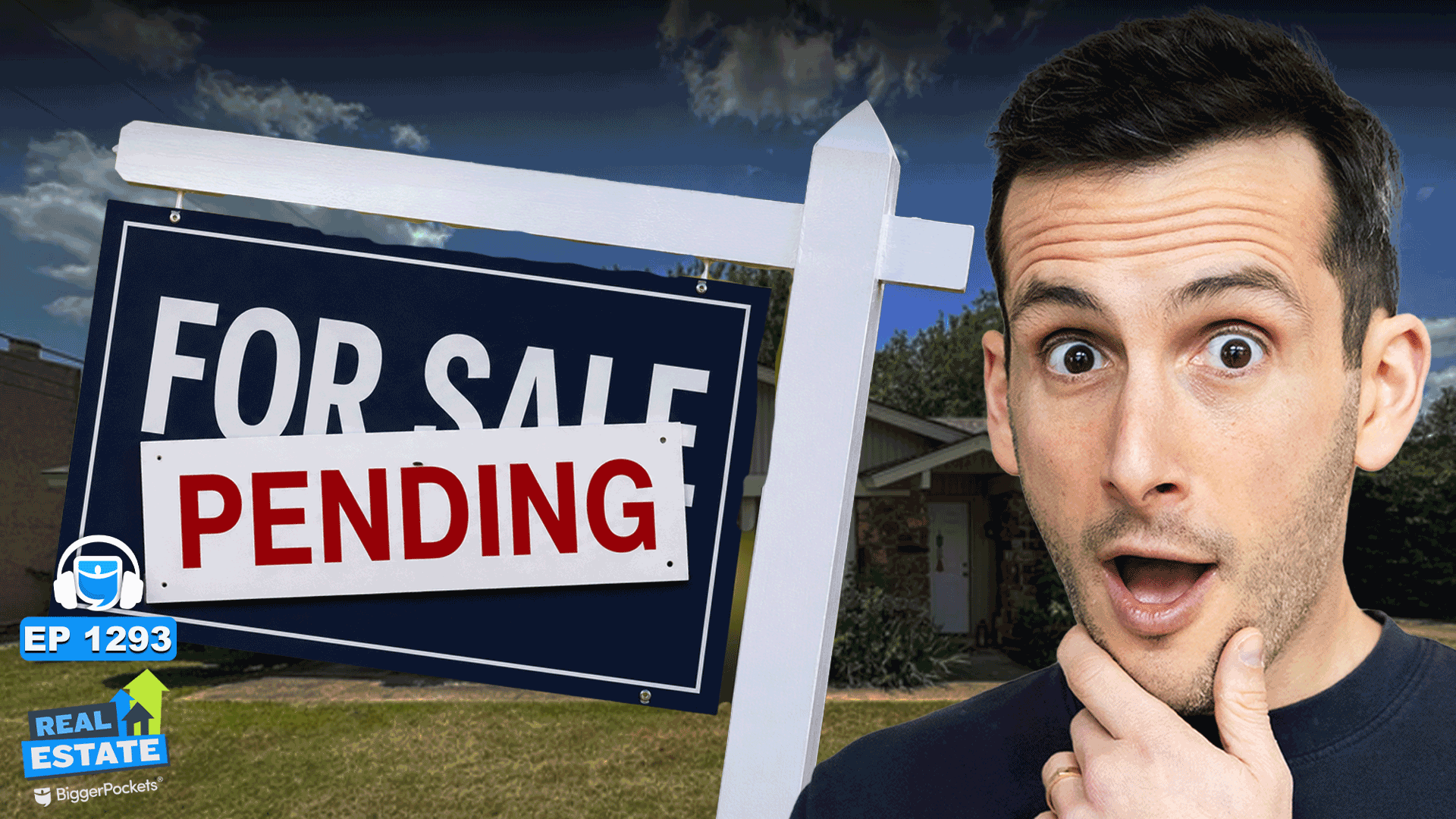
# Housing Market Shows Unexpected Strength in June 2026
The housing market is outperforming expectations in ways that contradict broader economic headwinds. Data from June 2026 reveals buyer activity and price stability that run counter to predictions made earlier in the year.
Mortgage rates have stabilized at levels that incentivize qualified buyers to move. Home sales velocity has picked up in secondary markets, particularly in the Southeast and Mountain West regions. Inventory levels remain tight, but new construction starts are accelerating in response to sustained demand.
For buyers, this environment presents a narrowing window. Homes priced between $400,000 and $600,000 are moving fastest, with average days on market dropping below 35 days in competitive metros. Sellers in these price ranges are achieving close-to-list prices. Entry-level homes below $350,000 face persistent bidding wars in urban core areas.
Landlords are benefiting from rental rate growth that exceeds wage inflation. Institutional buyers remain active in single-family rental acquisitions, particularly in Sunbelt markets. Multifamily cap rates have compressed, making value-add deals harder to justify at current pricing.
Renters face rent increases of 4 to 6 percent annually across major markets. Tenant retention costs now exceed turnover costs, pushing landlords toward longer leases and modest concessions rather than aggressive rent spikes.
The labor market remains the wildcard. Employment data suggests wage growth is slowing, yet consumer savings rates have remained elevated. This disconnect props up the housing market despite higher-for-longer interest rate expectations.
Banks are loosening lending standards slightly, with loan-to-value ratios climbing back toward 95 percent for qualified borrowers. Credit card debt and auto loans remain headwinds for household balance sheets, but mortgage defaults stay below historical averages.