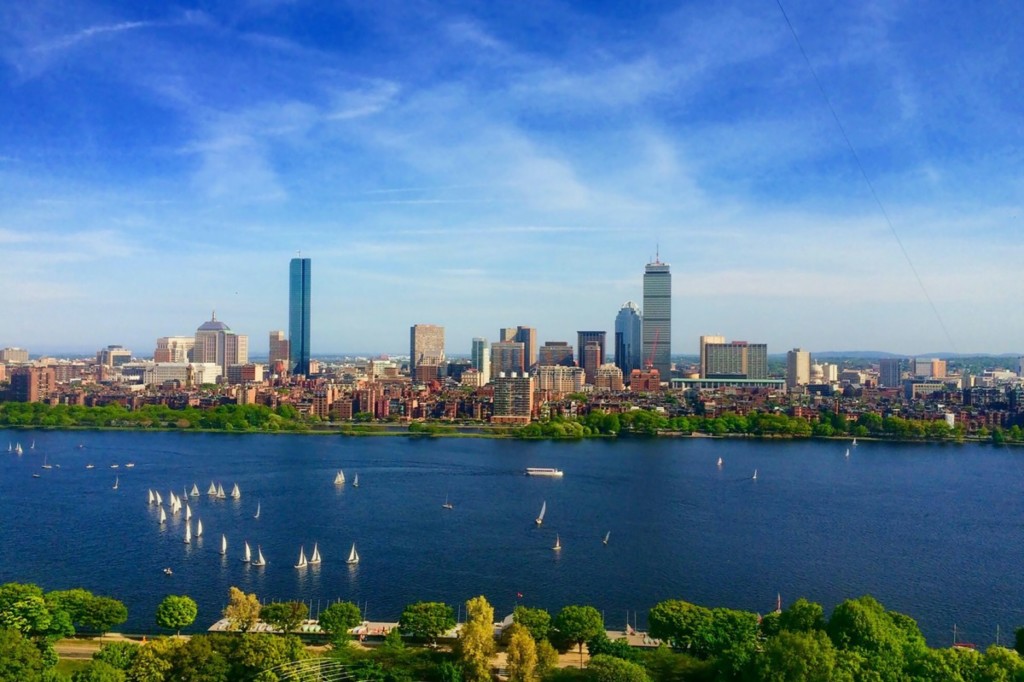
This article surveys Boston's defining characteristics and attractions that draw residents and visitors to the city. The piece highlights twelve elements that shape Boston's identity and appeal.
Boston's reputation rests on multiple pillars. The city's harbor forms a centerpiece of its geography and history, anchoring its colonial past and maritime heritage. The city hosts world-class educational institutions, with Harvard University and MIT driving innovation and attracting talent from across the globe. Sports culture dominates the local consciousness, with passionate fan bases supporting the Red Sox, Patriots, Celtics, and Bruins across baseball, football, basketball, and hockey.
The Freedom Trail, a 2.5-mile walking path connecting 16 historic sites, threads through downtown and neighborhoods, making revolutionary history accessible to residents and tourists alike. Neighborhoods like Beacon Hill offer quintessential New England charm with brick townhouses and gas-lit streets that command premium pricing in Boston's competitive housing market.
Culinary excellence defines modern Boston. The city's food scene draws both established chefs and rising talent, with neighborhoods hosting everything from upscale dining to casual seafood spots that capitalize on the harbor's fresh supply.
For property buyers and renters, Boston's reputation creates sustained demand. Proximity to universities, hospitals, and financial services drives renter interest and supports higher rental rates across neighborhoods. Established neighborhoods maintain strong property values, though younger residents face affordability challenges. Landlords benefit from consistent tenant demand fueled by the city's employment base and educational draw.
Sellers in Boston leverage the city's national reputation when marketing properties. The historic character and cultural amenities justify premium pricing in neighborhoods like Beacon Hill and Back Bay. Commercial property investors view Boston as a stable market supported by institutional anchor tenants and educated workforce availability.
The city's identity as a destination for education, sports, history, and culture creates a self-reinforcing cycle that strengthens property values