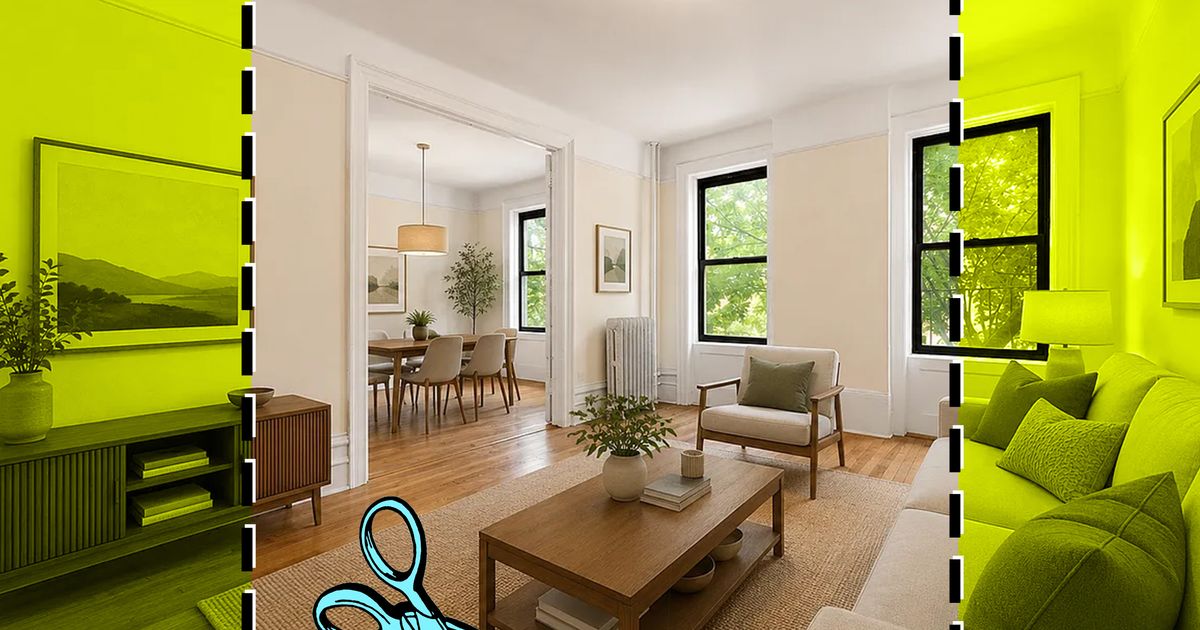
A three-bedroom apartment in Morningside Heights hits the market at $850,000, offering bright interiors in one of Manhattan's most sought-after neighborhoods for upper-middle-class buyers.
The listing taps into steady demand from young professionals and families seeking access to Columbia University's campus proximity, Morningside Park, and the neighborhood's tree-lined streets. At this price point, buyers gain significant square footage compared to comparable two-bedrooms in nearby areas like the Upper West Side, where similar layouts command $950,000 to $1.1 million.
The neighborhood continues attracting both owner-occupants and investors. Recent sales data shows Morningside Heights units in this price bracket move within 30 to 45 days on average, driven by limited inventory and the area's appeal to academic professionals and established couples downsizing from larger homes.
Meanwhile, an "estate condition" one-bedroom brownstone unit in Brooklyn Heights represents a different buyer profile. The estate designation signals a fixer-upper or neglected property requiring renovation. Brooklyn Heights commands premium prices due to its historic character, waterfront proximity, and strong rental market. A one-bedroom in such condition typically attracts investor-flippers or buyers with renovation budgets.
For sellers in Morningside Heights, the $850,000 price demonstrates holding power. The neighborhood avoids the volatility that affects outer boroughs while remaining more affordable than Central Park West or Park Avenue addresses. For renters, tight owner-occupant demand keeps rental inventory constrained, keeping pace-setting increases steady.
Brooklyn Heights brownstone units present mixed signals. Investors weigh renovation costs against rapid post-rehab appreciation, while owner-occupants calculate whether estate-condition pricing justifies the disruption and expense of renovation. Both neighborhoods remain anchored by strong fundamentals: limited supply, established institutional presence, and geographic desir