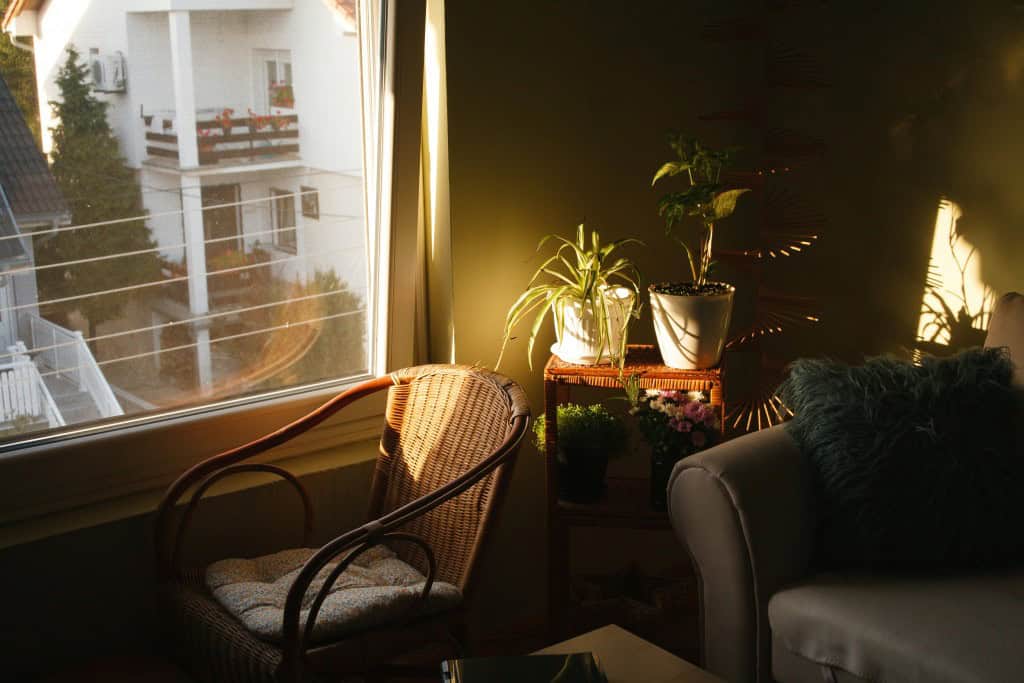
Natural light ranks among the top factors buyers consider when purchasing a home, rivaling kitchen quality and floor plan functionality. Homes with abundant windows, skylights, and south-facing rooms command price premiums in most markets.
Buyers value natural light for concrete reasons. Sunlit spaces feel larger and more inviting. Morning light in bedrooms and kitchens drives daily mood and energy. Rooms without windows sell slower and for less money, sometimes 5 to 10 percent below comparable units with adequate light.
Dark basements become dealbreakers for many buyers, even when priced aggressively. North-facing apartments in dense urban markets attract fewer offers than south or east-facing units at similar prices. Corner units with windows on multiple sides fetch higher asking prices because they maximize light exposure.
For sellers, highlighting natural light drives results. Professional photography capturing sunlit interiors outperforms dim, flash-heavy shots. Staging light-filled rooms with minimal furniture lets buyers imagine themselves there. Listing descriptions emphasizing skylights, bay windows, and cardinal directions attract serious inquiries.
Renters weigh light heavily too. Apartments advertising "sun-filled" or "bright" units rent faster and command higher monthly rates. Landlords investing in window upgrades or skylights see faster tenant turnover and stronger rental demand.
The light advantage extends to resale value. Homes with large windows, multiple exposures, and minimal obstructions appreciate steadily over time. Buyers seven years later still pay premiums for those qualities. Properties with poor light struggle to gain equity.
Builders now market light as a selling point. New construction emphasizes window placement, room orientation, and natural light in unit plans. Skylights, clerestories, and glass doors become standard marketing language.
Location determines light access. Urban towers cast shadows on neighboring buildings. Tree cover blocks sun. Mountain terrain affects afternoon