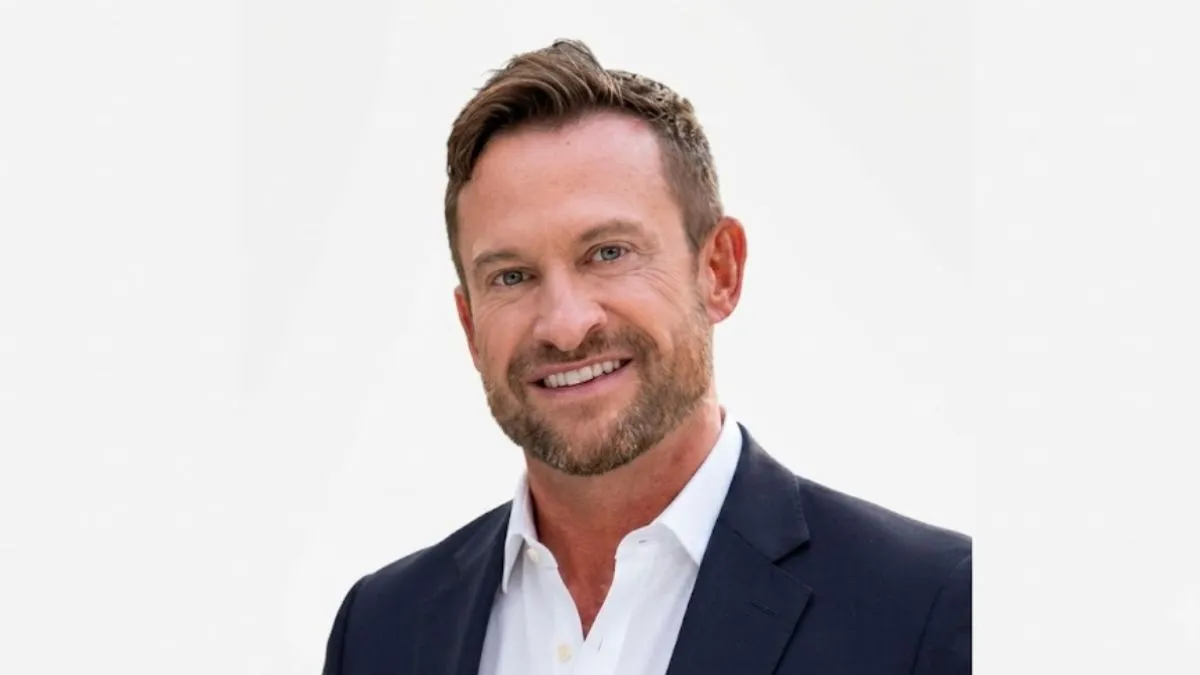
Cody Pearce returns to YES Communities as the company's new president, taking the helm of daily operations at the manufactured housing operator. Pearce brings decades of experience in the sector, positioning him to lead the company through its portfolio expansion and operational challenges.
YES Communities operates manufactured housing communities across multiple states, serving residents through property management and community development. The appointment reflects the company's commitment to leadership depth in a sector that manages housing for price-conscious renters and mobile home owners.
Pearce's background in manufactured housing gives him direct knowledge of tenant dynamics, regulatory compliance, and community operations. His return to YES Communities signals the company's focus on strengthening management during a period when manufactured housing remains an affordable alternative to traditional rental markets.
The manufactured housing sector continues attracting investor attention as rental costs climb nationwide. Communities like those operated by YES provide housing options for middle and lower-income households, with monthly costs typically below conventional apartments. Pearce's leadership will influence how the company navigates tenant retention, maintenance standards, and expansion into new markets.
For residents in YES Communities properties, Pearce's appointment may affect service quality, rent policies, and community improvements. For investors holding stakes in manufactured housing operators, veteran leadership suggests stable operations and clearer strategic direction. The sector itself benefits when experienced operators take charge, as professionalism improves tenant outcomes and community conditions.
YES Communities competes against other large manufactured housing operators like Equity Commonwealth and Gladstone Land. Pearce's operational oversight could differentiate the company through enhanced management practices or community amenities. His appointment underscores the manufactured housing industry's maturation and professionalization, moving away from smaller family-operated parks toward institutional management standards.