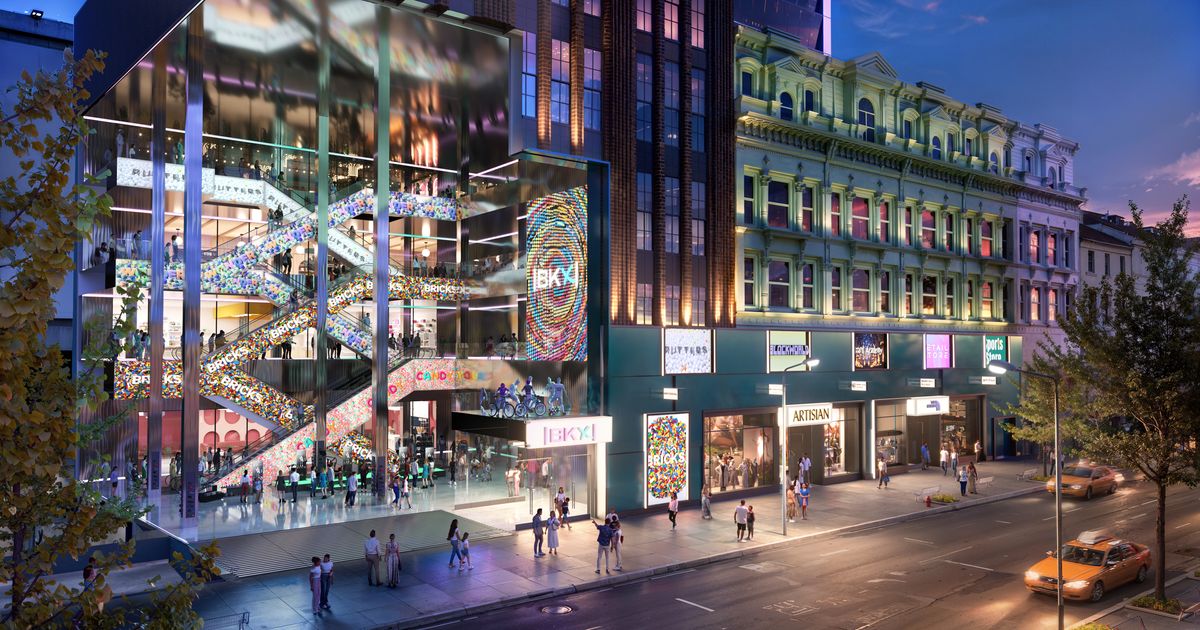
A long-vacant Macy's location in Brooklyn is being transformed into a mixed-use development, bringing retail, dining, and entertainment to the neighborhood. The project replaces the department store that closed years ago, leaving a significant gap in the local commercial landscape.
The new concept combines smaller retail tenants with food and beverage options, moving away from the traditional anchor-store model that defined regional shopping centers. This approach reflects how consumer behavior has shifted dramatically, with department stores struggling nationwide while mixed-use venues thrive.
The development targets both foot traffic and community demand. By introducing diverse retailers and restaurants rather than betting on a single major tenant, developers hedge against the risks that plagued legacy department stores. Brooklyn's residential growth and tourist traffic provide natural customer bases for the new mixed-use format.
The project signals how property owners are adapting to permanent retail changes. The old department store model, which dominated American shopping districts for decades, no longer works. Landlords now recognize that variety and experience drive visitors more effectively than anchor tenants alone.
For Brooklyn residents and workers, the transformation means new dining and shopping options within an existing structure. The project preserves the building's footprint while fundamentally reimagining its use. This adaptive reuse strategy proves more economical than demolition and typically moves faster through approvals.
The shift also reflects urban real estate economics. Mixed-use developments generate more consistent revenue streams than single-tenant arrangements. Multiple smaller leases spread risk and attract diverse customer demographics throughout the day and evening.
This Brooklyn Macy's conversion exemplifies a broader trend across American downtowns. Cities from Philadelphia to San Francisco are converting defunct department stores into residential, office, or entertainment spaces. The formula works because it addresses actual neighborhood needs rather than assuming one big-box concept will sustain itself.
The development proves that what shoppers actually want differs sharply from what retail tradition offered. The mixed