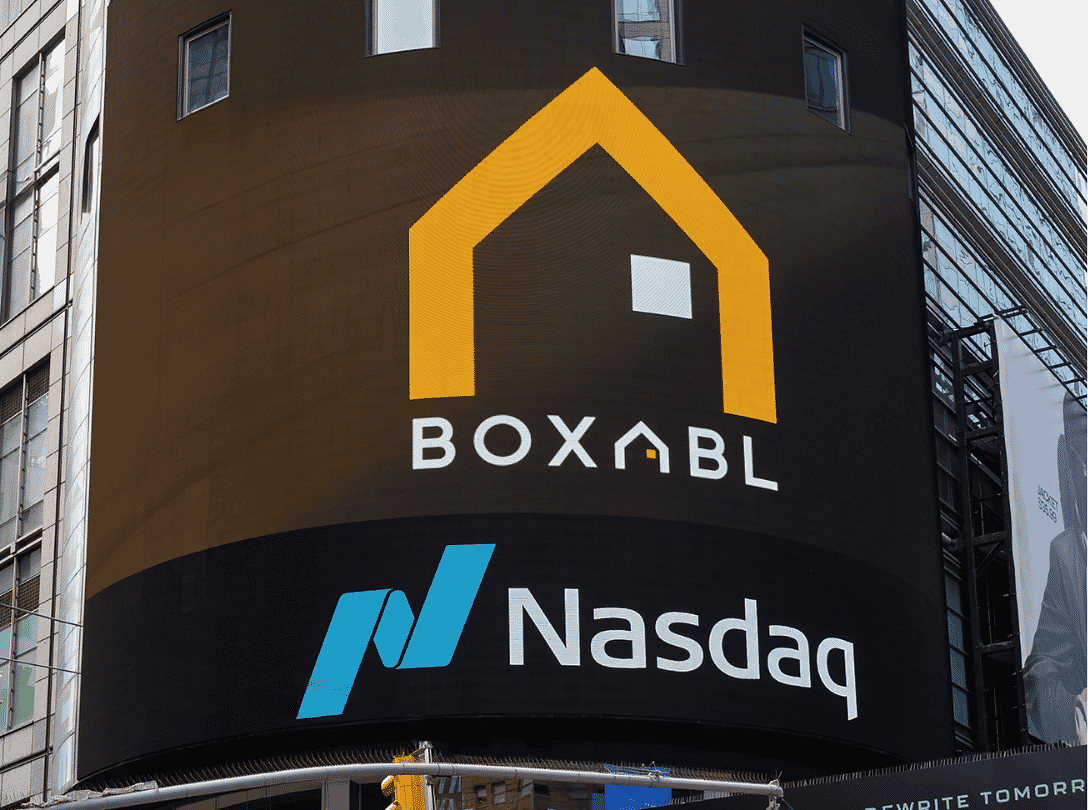
Boxabl, the Las Vegas factory-built housing startup, went public on Nasdaq Monday under ticker BXBL after completing its merger with SPAC FG Merger II Corp. Stockholders approved the transaction, clearing the way for the company to begin trading.
The move marks a major milestone for Boxabl, which manufactures compact, transportable housing units designed to address affordability and housing shortages. The company's modular approach produces homes that can be folded for transport and deployed quickly, positioning it as a potential solution to rising construction costs and limited inventory in tight markets.
Factory-built housing has gained attention from investors and policymakers as traditional construction struggles with labor shortages and supply chain disruptions. Boxabl's technology appeals to developers, municipalities, and landlords seeking faster, lower-cost housing delivery. The public capital raises the company's profile and gives it resources to scale production and expand into new markets.
For homebuyers, Boxabl's public status could accelerate product availability and potentially lower per-unit costs as the company achieves economies of scale. Rental operators and institutional investors gain a liquid way to access exposure to modular housing trends. Municipalities exploring affordable housing solutions now have a publicly traded vendor with institutional backing.
The SPAC route bypassed traditional IPO underwriting, allowing Boxabl to move to public markets faster than a conventional offering. However, SPAC mergers carry regulatory scrutiny, and investors will closely monitor whether the company meets production targets and profitability timelines.
Boxabl faces competition from other modular housing manufacturers and must prove its units can achieve meaningful market penetration. Zoning barriers, financing challenges, and builder adoption remain hurdles. Still, the Nasdaq listing provides the capital and visibility needed to compete for contracts with developers and public agencies focused on housing supply expansion.
The company's trajectory