# NYC Teens Find Summer Work Despite Tight Labor Market
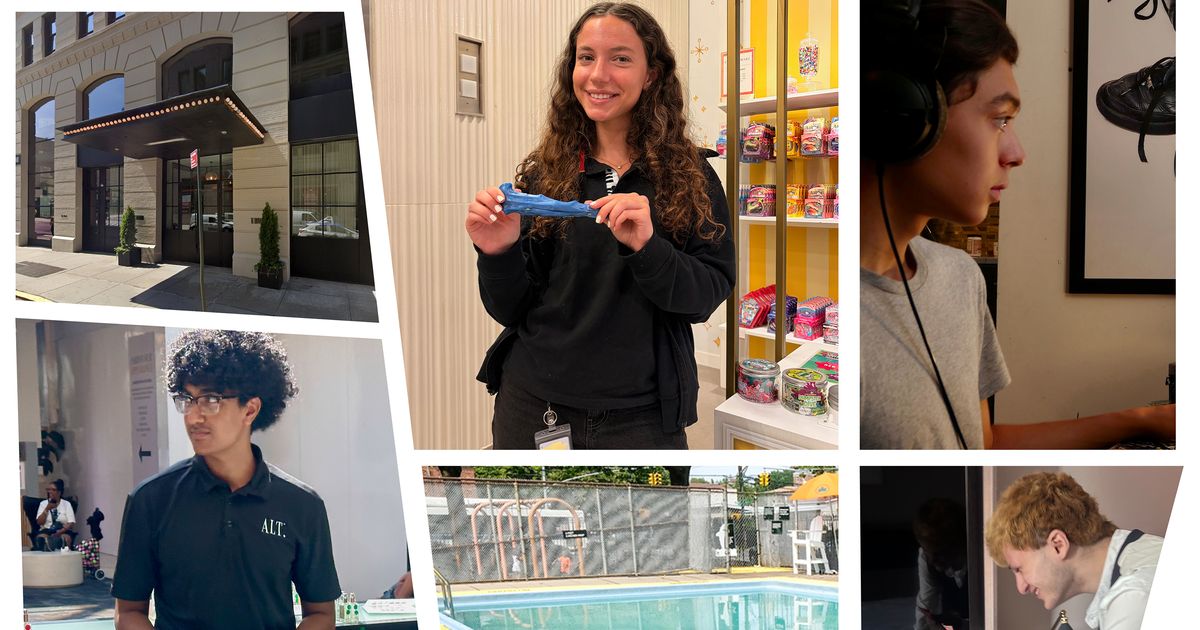
Six New York City teenagers secured summer jobs this year, bucking a trend of declining youth employment across the nation. The positions range from lifeguarding at community pools to managing attractions at local venues, offering teens practical work experience and income during the break from school.
The jobs reflect broader challenges in New York's labor market. Youth unemployment remains elevated compared to pre-pandemic levels, with fewer employers offering entry-level positions to inexperienced workers. These six teens beat the odds by landing roles that typically require minimal experience but teach foundational workplace skills.
For buyers and renters in New York, this trend carries real implications. Neighborhoods with active community programs and summer employment pipelines signal stronger local investment in youth development. Properties near areas offering these opportunities appeal to families with teenagers seeking affordable ways to keep kids engaged and earning.
Landlords benefit from neighborhood stability when youth have access to legitimate employment. Teen workers with summer income reduce household financial strain and lower crime correlations in residential areas. Renters in neighborhoods with robust youth programs experience stronger community cohesion and safer environments.
For property investors, neighborhoods supporting youth employment infrastructure represent stable demographic investments. Families stay longer in communities where teenagers have job prospects, creating steady rental demand and reducing turnover costs.
The six teens' success demonstrates that despite national headwinds, New York City still creates pathways for young workers. Their positions come primarily from municipal recreation departments and local entertainment venues, employers with consistent demand for seasonal staff.
This localized employment access shapes housing demand. Families prioritize neighborhoods where teenagers can find work without extensive travel. Properties within walking distance of community pools, parks, and entertainment venues command premium positioning among renters with school-age children.