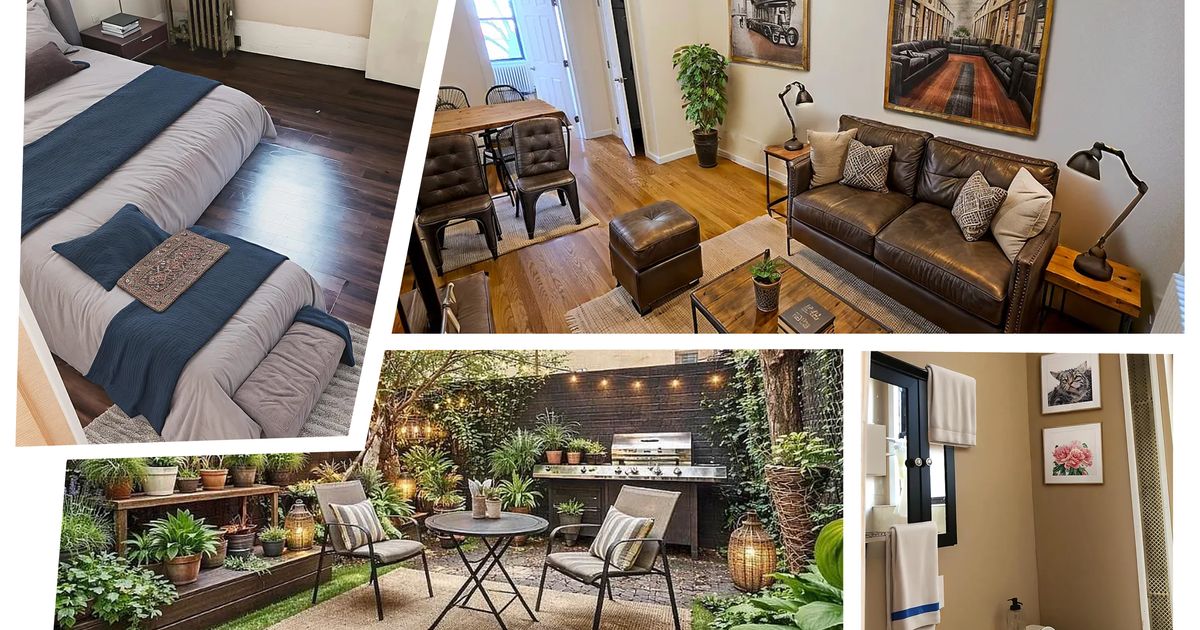
AI-generated images of renovated apartments are flooding rental listings, deceiving tenants about actual property conditions. Landlords and property managers use AI tools to transform photos of shabby spaces into gleaming, move-in-ready units. Renters arrive expecting pristine kitchens and renovated bathrooms only to find outdated fixtures and worn finishes.
The deception hits hardest in competitive rental markets where supply is tight. A dingy basement apartment with original 1970s fixtures becomes, through AI, a light-filled modern space with stainless steel appliances and marble countertops. Tenants sign leases based on these fabricated images, then discover the reality on move-in day.
Renters lose negotiating power and deposit money. Many feel trapped once they've committed to a lease. Landlords, meanwhile, benefit from inflated demand and higher rental rates justified by fake photos. They face few consequences for the bait-and-switch because rental market regulation remains fragmented by city and state.
The problem exposes a gap in tenant protections. Most jurisdictions lack explicit rules against AI-altered listing photos. Craigslist, Zillow, and Apartments.com have limited enforcement mechanisms. Landlords frame AI images as aspirational renderings rather than deceptive advertising, sidestepping accountability.
Smart renters now demand video tours before signing. Others request walk-throughs during daylight hours and take their own photos. Third-party inspection services have gained traction in major cities as renters protect themselves against fraud.
This trend pressures regulators to act. Consumer protection agencies in New York, California, and Massachusetts have begun investigating AI-generated listing imagery. Some jurisdictions are drafting rules requiring landlords to disclose when photos are AI-altered or digitally enhanced.
For sellers in owner-occupied markets, AI staging tools remain