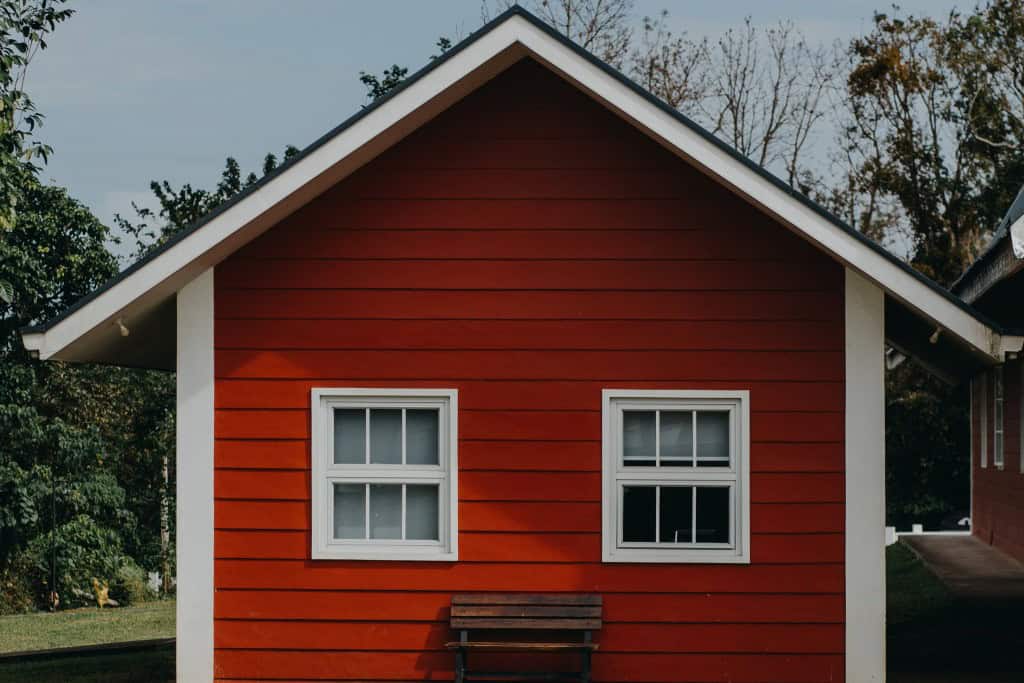
Homeowners considering accessory dwelling units (ADUs) need to navigate zoning laws, financing, and construction costs before breaking ground. An ADU, whether a garage conversion, backyard cottage, or basement apartment, creates rental income or housing for family members, but requires careful planning.
Local zoning regulations vary dramatically by jurisdiction. Some cities allow ADUs by-right with minimal restrictions. Others cap ADU size, require owner-occupancy, or limit them to single-family zones. Check your city or county planning department website first. Zoning violations lead to fines, forced removal, or inability to sell.
Construction costs run $150,000 to $400,000 depending on size, location, and whether you're converting existing space or building new. A backyard ADU in California costs more than an over-garage unit in lower-cost markets. Get multiple contractor bids. Hidden expenses include electrical upgrades, plumbing extensions, and septic system modifications.
Financing presents challenges. Traditional mortgages rarely cover ADU construction alone. Homeowners use home equity lines of credit, personal loans, or construction loans. Some lenders now offer ADU-specific financing, but rates reflect higher risk than primary residence loans. Calculate whether rental income justifies debt service before committing.
Rental income varies by location. San Francisco and Los Angeles ADU rents reach $2,500 to $3,500 monthly. In secondary markets, expect $1,200 to $2,000. Factor in vacancy periods, maintenance, property management fees, and taxes. Many homeowners underestimate operating costs.
For sellers, ADUs create market complexity. Some buyers see added value and income potential. Others worry about tenant disputes, parking, or property line encroachments. Disclosure requirements vary by state. An improperly permitted ADU tanks resale value or kills deals entirely