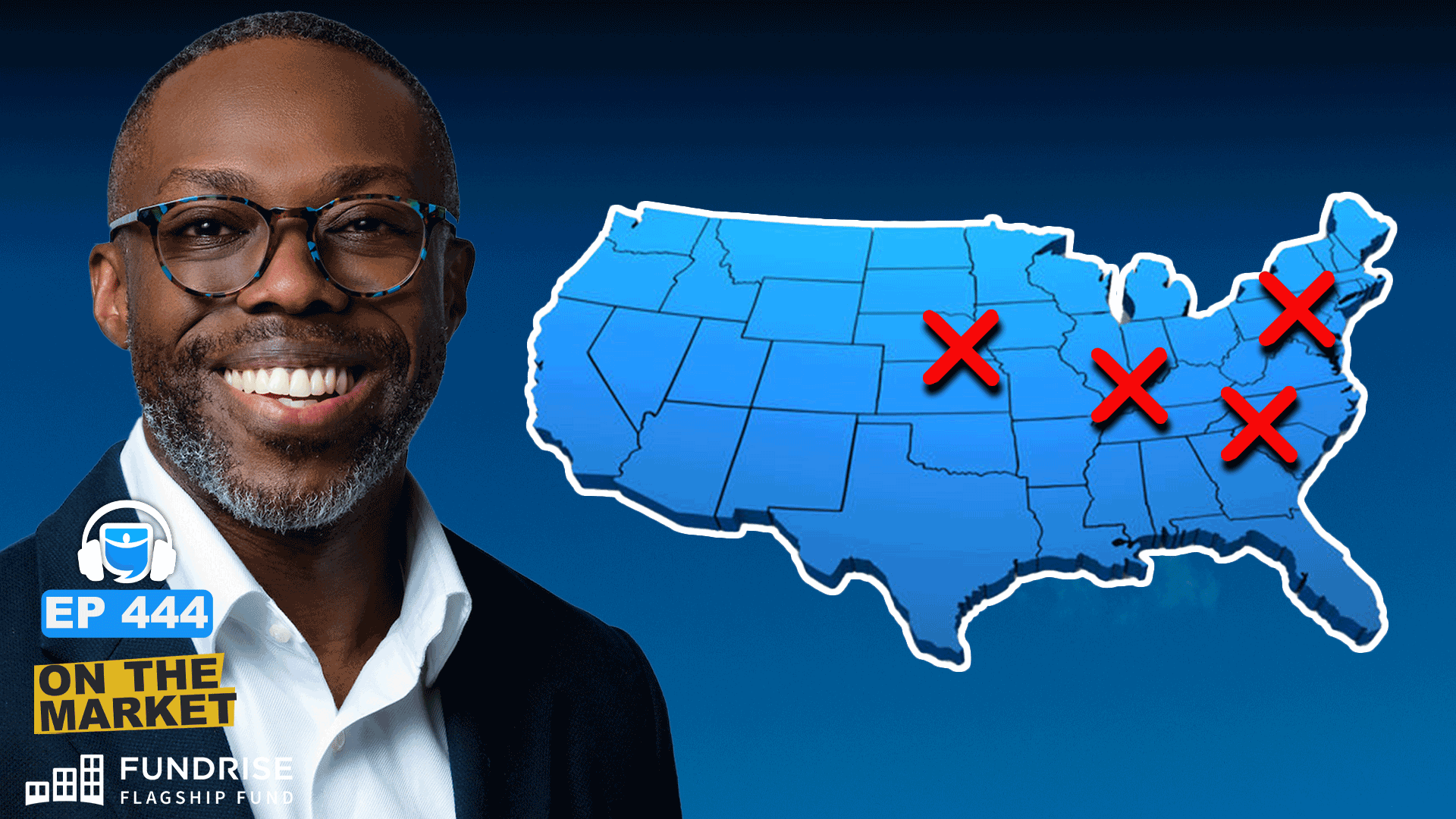
Zillow's latest analysis reveals rental investors can generate $1,000 monthly positive cash flow in select US markets, signaling a shift in investment property fundamentals. The data shows strong tenant demand, listing days approaching pre-pandemic speeds, and renewed investor interest in markets where rents outpace mortgage costs.
The finding reflects broader market stabilization after years of compressed returns. High mortgage rates have moderated from 2023 peaks, while rents remain elevated in many regions. This gap creates genuine cash flow opportunities for the first time in several years. Markets showing strongest potential typically combine affordable entry prices with robust rental demand, particularly in secondary and tertiary cities overlooked during pandemic migration.
For rental investors, this matters immediately. The $1,000 monthly surplus covers property taxes, insurance, maintenance reserves, and vacancy periods while delivering real income. Sellers in these markets face stronger buyer competition as institutional investors and individual landlords return to acquisition mode. Property prices in cash-flowing markets may stabilize or climb as demand increases.
Renters experience mixed impacts. Strong investor demand could reduce available housing supply in competitive markets, potentially keeping rents elevated. However, institutional operators typically maintain properties better than burned-out mom-and-pop landlords, improving overall rental stock quality in affected areas.
Buyers hunting primary residences should act cautiously. Investor competition raises prices in these cash-flowing pockets, making homeownership less affordable. First-time buyers competing against seasoned operators with capital advantages face headwinds in the most attractive investment markets.
Zillow's caution about sustainability matters. Cash flow opportunities compress when rates drop or new construction floods markets with supply. Investors chasing these returns risk overpaying in markets where fundamentals could shift within 12-24 months. Smart operators focus on markets with structural demand drivers (population growth, job creation, limited buildable land) rather than temporary cash