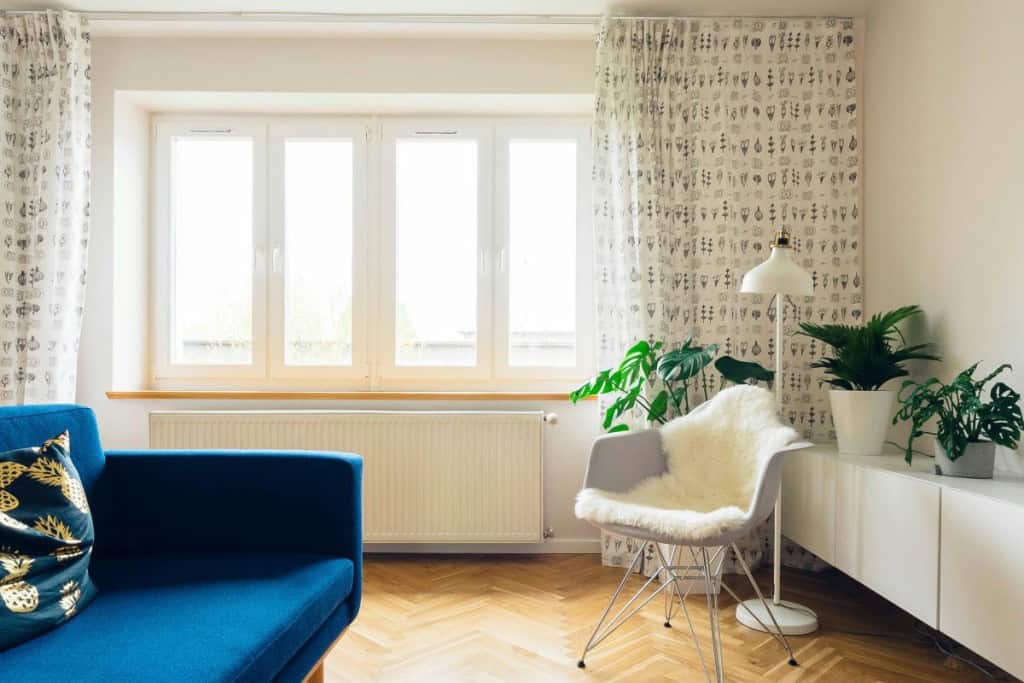
Natural light fundamentally affects home value, livability, and long-term satisfaction. Buyers who overlook this factor often regret their purchase within months of moving in.
Start by visiting properties at different times of day. Morning light differs dramatically from afternoon and evening light. North-facing rooms stay cool but dim year-round. South-facing rooms gain maximum sunlight and heat. East-facing spaces capture bright morning light. West-facing rooms absorb intense afternoon heat, which drives cooling costs higher.
Check window size, quantity, and condition during your walkthrough. Large windows flood spaces with natural light but also increase heating and cooling expenses. Inspect for air leaks around frames, cracks in glass, and outdated single-pane construction. These issues cost money to fix and impact energy efficiency.
Assess obstructions outside windows. Mature trees, neighboring buildings, and dense landscaping block sunlight. Deciduous trees shed leaves in winter, allowing more light through. Evergreens provide year-round shade. Tall structures on adjacent properties create permanent shadows on certain sides of the home.
Consider the property's orientation relative to your lifestyle. Remote workers benefit from bright, energizing workspace. Shift workers may prefer darker bedrooms that stay cool during daylight hours. Families with young children appreciate living areas that brighten naturally throughout the day.
Test how natural light affects room temperature. Stand in rooms during peak sun hours and gauge whether heat builds uncomfortably. Ask the listing agent about average utility bills. High electric costs in summer suggest insufficient shading or inadequate insulation.
For north-facing homes or units with limited natural light, artificial lighting becomes critical. Budget for additional fixtures and LED upgrades if natural light proves scarce. Skylights and light tubes offer retrofitting options, though installation runs $500 to $3,000 per unit.
Renters can negotiate lease terms