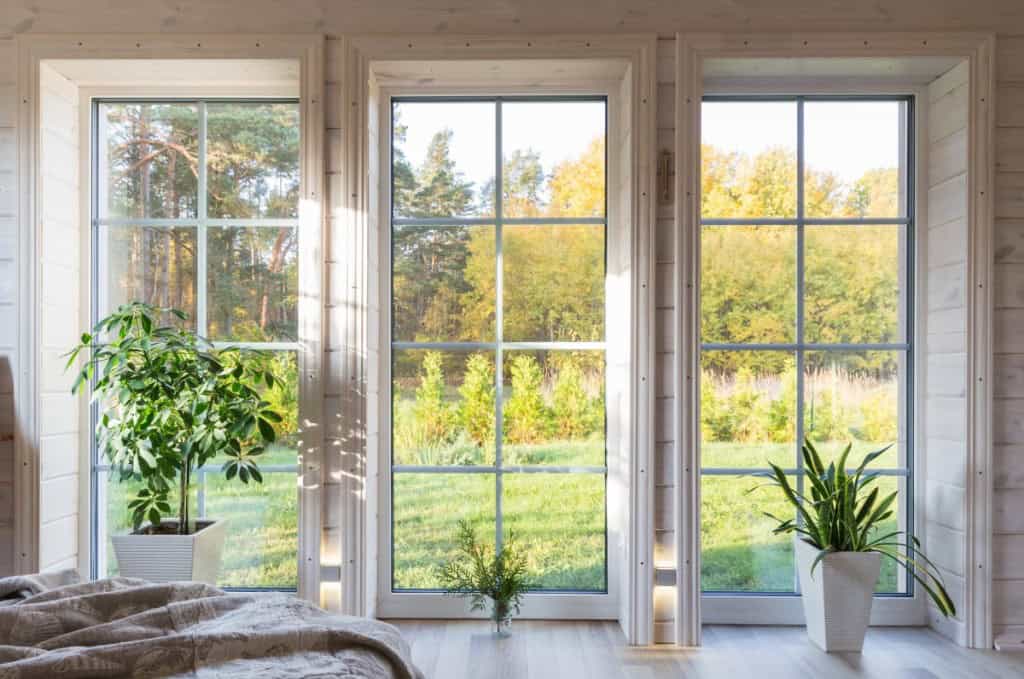
Homeowners deciding between replacement and new construction windows face different trade-offs in cost, installation complexity, and home value impact.
Replacement windows fit into existing frames, making installation faster and less disruptive. This option works well for homes with solid frames and minimal structural issues. The process typically takes one to three days per window and costs less upfront than full frame replacement. Homeowners avoid the expense of removing old frames, patching walls, and repainting exteriors.
New construction windows require removing the entire old frame and installing a new one from scratch. This approach costs more initially but addresses underlying frame rot, water damage, or structural problems. New construction windows also allow homeowners to change window size or style more dramatically. The installation takes longer, often involving drywall repair and exterior finishing work.
Energy efficiency improvements vary by choice. Both replacement and new construction windows can reduce heating and cooling costs through double-pane glass and better seals. The actual savings depend on the window's U-value rating and your climate zone. Modern windows typically recover their costs through energy savings over 10 to 20 years.
For home resale value, new construction windows appeal to buyers concerned about structural integrity. Replacement windows offer a solid upgrade without the visual disruption of full renovation.
The decision hinges on your home's condition and budget. If frames are solid, replacement windows deliver value quickly. If you notice rot, air leaks, or water stains around existing frames, new construction windows prevent future problems. Get multiple contractor quotes for both options before deciding. Quality installation matters more than the window type itself, so hire licensed professionals experienced with your chosen method.