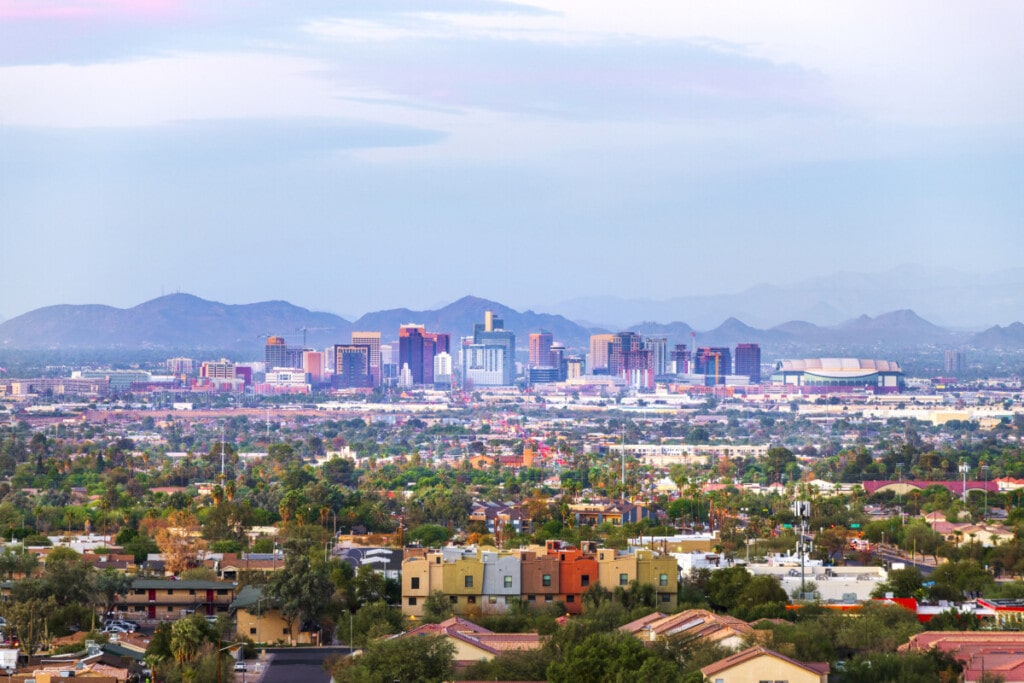
Phoenix tops the list of America's hottest real estate markets, reflecting sustained buyer demand and limited inventory across the Sun Belt. Austin, Tampa, Las Vegas, and Charlotte round out the top five, all experiencing rapid population growth and strong price appreciation.
These metros attract buyers seeking affordable alternatives to coastal markets. Phoenix homes average in the mid-$400,000s, substantially lower than coastal metros yet still climbing. Austin commands higher prices due to tech sector migration, with median home values near $500,000. Tampa and Charlotte offer even more affordable entry points while maintaining steady demand from remote workers and retirees.
Builders are racing to keep pace. New construction permits surge in these markets, though supply struggles to match demand. Phoenix alone sees thousands of new housing starts annually, yet inventory remains tight.
Rental markets boom in parallel. Tampa and Austin landlords report strong tenant demand and rent growth exceeding 5% annually in many cases. Charlotte's rental sector attracts institutional investors betting on continued population inflows.
For buyers, these markets demand speed and flexibility. Bidding wars persist despite price increases. Sellers benefit from multiple offers and negotiate from strength. Cash buyers hold advantages in competitive situations. Landlords capture rising rents, though competition from new supply will eventually moderate growth.
The shift reflects demographic trends. Remote work enables relocation. Retirees escape cold winters. Young professionals seek lower costs and vibrant job markets. Migration from California and the Northeast continues, though pace may moderate as prices rise.
Lenders report strong confidence in these metros, with conventional financing readily available. Interest rates remain a constraint, but demand outpaces rate sensitivity in these growing regions.
These cities will likely remain competitive through 2024. Price growth may slow from pandemic-era peaks, but appreciation continues. Renters face ongoing affordability pressure as landlords capitalize on demand. Developers must maintain production to meet population growth,