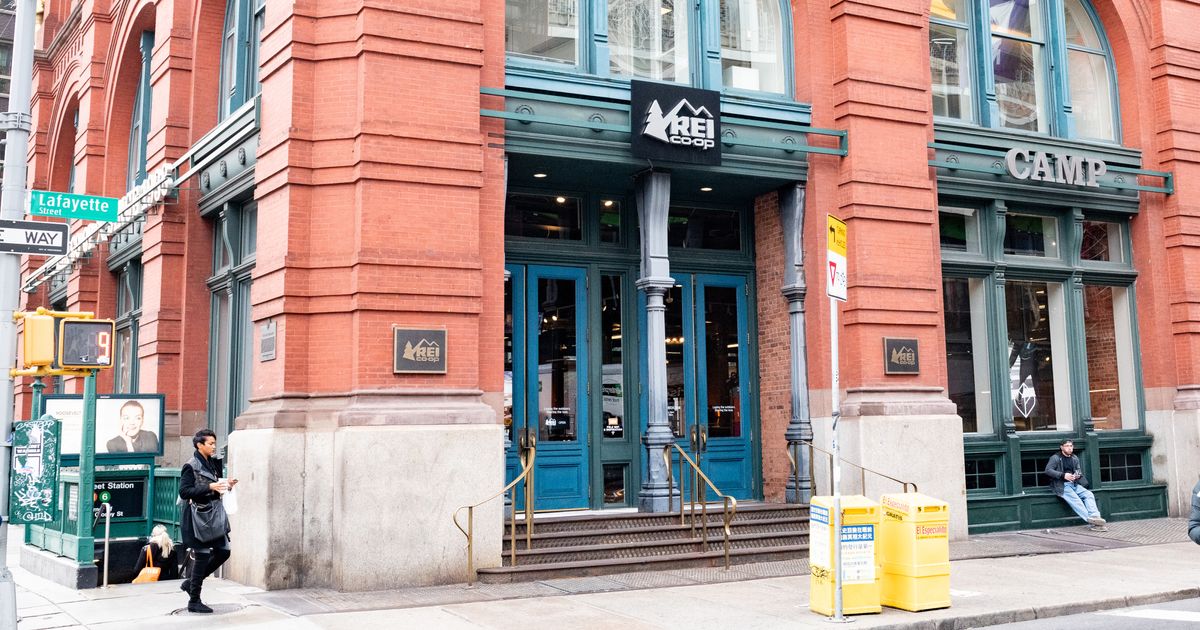
REI's Soho location in New York City is closing, ending an era for urban outdoor retailers in one of Manhattan's most expensive neighborhoods.
The outdoor equipment giant has decided to shutter its SoHo flagship store, marking a significant retreat from premium retail real estate in lower Manhattan. Shoppers who relied on the location for last-minute gear purchases, from ice cleats to camping equipment, now face limited options in the area.
The closure reflects broader challenges facing physical retail in Manhattan's trophy shopping districts. Prime SoHo real estate commands rents that have become increasingly difficult for even major retailers to justify, especially as consumer buying patterns shift toward online shopping. REI's decision to exit the neighborhood suggests the company reassessed whether foot traffic and sales justified the premium lease costs.
For customers, the loss removes convenient access to an extensive inventory and knowledgeable staff in a neighborhood where outdoor recreation isn't a typical retail category. The store had served both locals and tourists seeking quick supplies before weekend trips.
The broader retail landscape in SoHo continues to contract as landlords struggle to find tenants willing to pay top-dollar rents. High-profile closures like this REI location signal that even established brands with strong customer bases face pressure in Manhattan's luxury retail environment. Other outdoor and sporting goods retailers have similarly reduced their physical footprints in premium neighborhoods.
REI's closure also reflects the chain's strategic shift toward omnichannel retail, where physical stores occupy smaller footprints in less expensive neighborhoods or anchor outdoor lifestyle hubs outside city centers. The company has prioritized locations in suburban and outdoor-oriented markets over downtown Manhattan.
For the landlord and SoHo's retail ecosystem, finding a replacement tenant willing to pay comparable rents will prove difficult. The neighborhood's retail composition continues transforming as traditional retailers exit and luxury brands consolidate their New York presence.