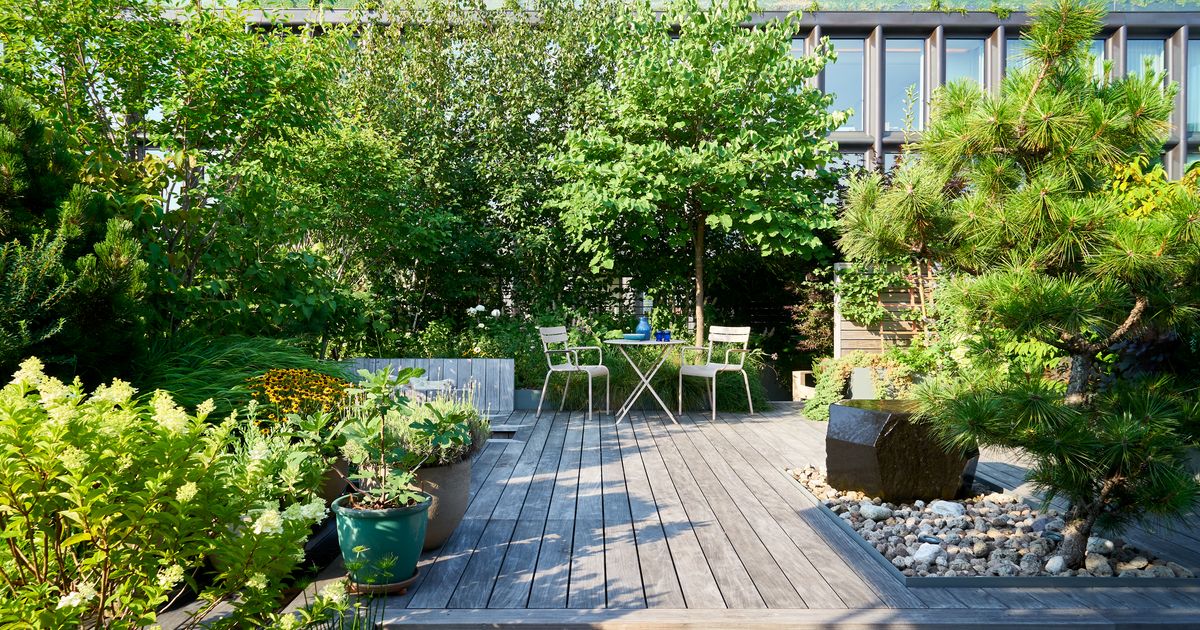
Loring McAlpin ditched his Noho apartment for a house with land, trading urban views for outdoor space and greenery. The move reflects a broader shift among New York City buyers who prioritize gardens and privacy over traditional Manhattan skylines.
McAlpin's decision captures what's happening in the metro area's housing market. Dense urban apartments that once commanded premium prices now compete with suburban and exurban homes offering land, privacy, and nature. Buyers willing to leave Manhattan proper discover they can access significantly more square footage and outdoor amenities for comparable or lower prices.
This trend accelerated post-pandemic. Remote work eliminated the daily commute requirement for many professionals. A Noho apartment with a view suddenly seemed less essential when buyers could own a house with actual acreage. Properties in Westchester County, Connecticut towns, and Long Island suburbs experienced renewed demand from city dwellers seeking gardens, yards, and room to move.
The financial math favors the move for many. A buyer who sells a $2 million Noho loft can purchase a substantial suburban home with land, often with cash remaining for renovations or investments. Monthly carrying costs drop significantly when you own outright or finance at lower suburban property tax rates.
For landlords in central Manhattan, this shift poses challenges. The rental market increasingly attracts tenants who can't afford to buy, while ownership-minded buyers depart. Landlords must decide whether to invest in upgrades, reduce rents to remain competitive, or exit the market entirely.
For sellers in Manhattan, downsizing to suburban homes represents opportunity. A Noho apartment sale can fund a genuine estate purchase. For suburban buyers entering the market, increased competition from city transplants has pushed prices upward, making entry-level homes in prime suburban areas more expensive than five years ago.
The garden-for-a-view trade tells a larger story about how New