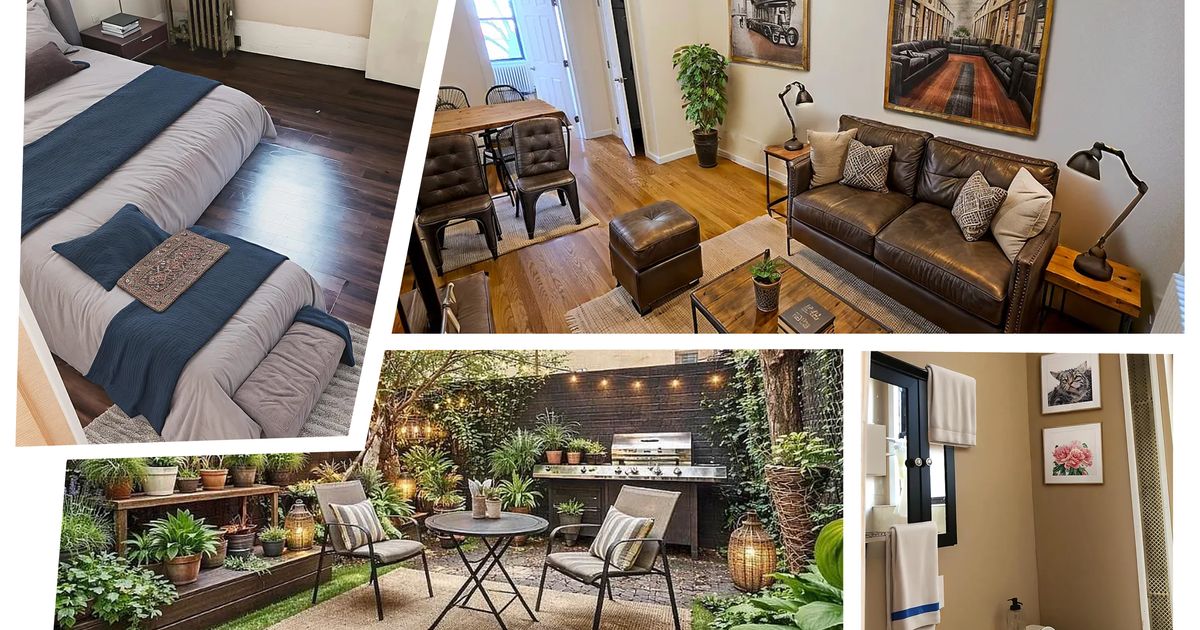
AI-generated images of renovated kitchens and basements are flooding rental listings, deceiving tenants searching for upgraded apartments. Landlords and property managers use free AI tools to transform photos of shabby units into gleaming showrooms, then advertise these fake renderings as actual properties.
The scam works because AI image generators have become sophisticated and accessible. A landlord photographs a dim basement with peeling paint, uploads it to an AI tool like Midjourney or DALL-E, and instantly produces images of the same space with new cabinets, stainless steel appliances, and polished concrete floors. Renters click through listings, see the upgraded photos, and schedule viewings. They arrive to find a completely different unit.
Tenants waste time and money. Some travel across cities for viewings of apartments that don't match the listings. Others deposit money or sign leases based on fake renderings, only to discover the actual space bears no resemblance to what they saw online.
The problem affects budget-conscious renters most heavily. Landlords often use AI renders for lower-priced units in less desirable neighborhoods, targeting renters with fewer options who can't afford market-rate apartments. A dingy basement listed with AI-generated images of a renovated loft attracts desperate tenants willing to pay higher rents for what they believe is an upgraded space.
Rental platforms struggle to police this. Most rely on user-reported complaints rather than automated detection systems. By the time a fake listing gets flagged and removed, the landlord has already scheduled multiple viewings or collected deposits.
Renters now face a trust problem. When browsing apartments, they can't immediately tell whether photos are authentic or AI-generated. Some landlords do label AI images as such, but many don't. Tenants must perform detective work. Looking for tell-tale AI