Homebuyers increasingly prioritize low-maintenance features to reduce time and money spent on upkeep. Smart design choices and durable materials separate homes that demand constant attention from those that practically manage themselves.
Fiber cement siding outlasts vinyl and requires no painting. Metal roofing lasts 40 to 70 years compared to asphalt shingles at 15 to 20 years. Composite decking eliminates wood rot and the need for annual staining. These upgrades cost more upfront but pay dividends through fewer repairs and replacements.
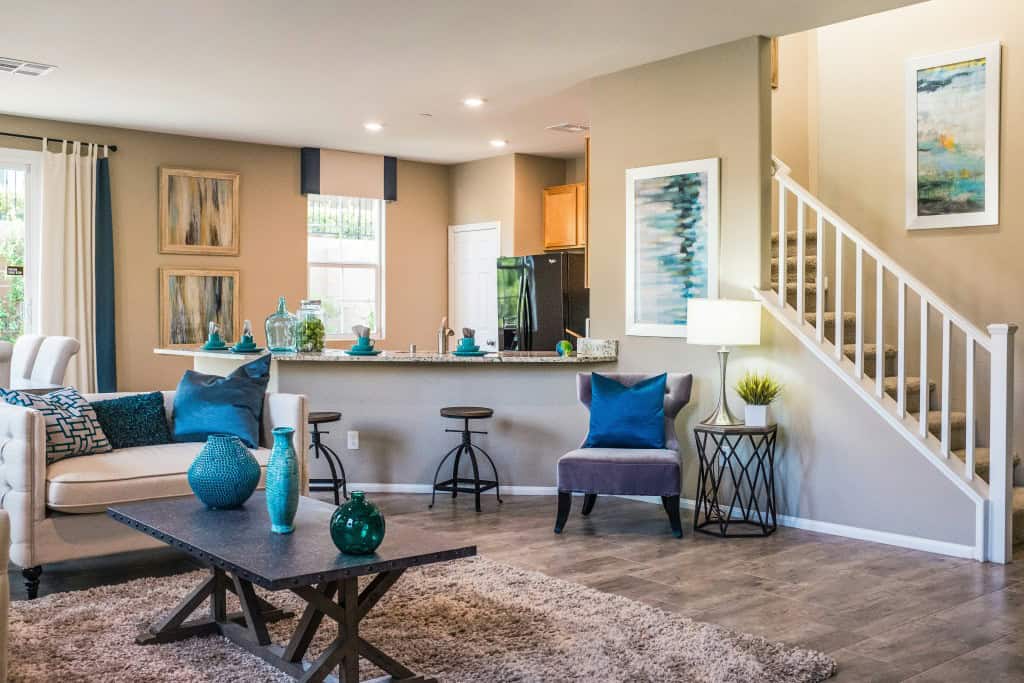
Inside, open floor plans reduce wall maintenance and simplify cleaning. Concrete or polished concrete flooring beats hardwood for durability and scratch resistance. Stainless steel appliances resist fingerprints and corrosion. Quartz countertops handle heat and scratches far better than granite or marble.
Smart home technology cuts maintenance work substantially. Programmable thermostats optimize energy use. Automated irrigation systems water lawns efficiently. Self-cleaning gutters prevent clogs. Motion-sensor lighting reduces bulb changes.
Landscaping choices matter equally. Native plants demand less water and fertilizer than exotic species. Hardscaping with mulch and stone replaces grass in high-traffic areas. Shrubs and perennials outlast annuals and require less replanting.
For buyers, these features represent long-term value. Young families, retirees, and busy professionals all benefit from homes that require minimal weekend maintenance. Sellers who highlight durable materials and smart systems attract this growing buyer segment. Landlords benefit enormously. Low-maintenance rentals reduce repair calls, tenant complaints, and vacancy periods between occupants.
Remote workers and empty nesters drive demand for homes they can leave for extended periods without worry. A property with metal roofing, composite decking, and low-water landsc