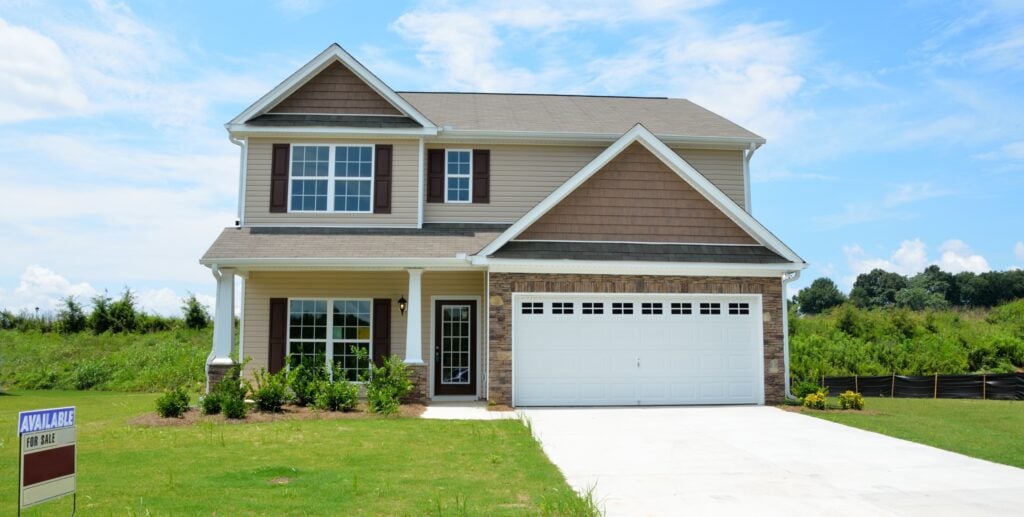
Major homebuilders have slashed prices to levels unseen since 2016, opening a rare window for investors hunting deals. The price reductions reflect builder desperation as mortgage rates remain elevated and buyer demand softens across most markets.
Developers including Lennar, D.R. Horton, and Pulte Homes have deployed aggressive incentives. These include price cuts, paid closing costs, and upgraded finishes bundled into new-home packages. Some builders offer financing assistance or rate buydowns to sweeten deals further. The goal: move inventory before market conditions worsen.
For home buyers, this means negotiating leverage they haven't held in years. New construction now competes directly on price with existing resale homes, erasing the typical premium for new builds. First-time buyers can lock in recent finishes and warranties while paying discount prices. Savvy purchasers should shop multiple builders in their target markets and push for additional concessions beyond advertised incentives.
Investors face tactical choices. Fix-and-flip operators can acquire new homes at builder cost, then immediately resell for modest profit or rent them out. Buy-and-hold landlords gain access to modern properties with warranty coverage and minimal initial repairs, reducing capital expenditure. The rental yields improve when purchase prices contract while rents remain stable.
Sellers of existing homes face headwinds. Homeowners cannot compete on newness when prices align. Sellers must highlight location advantages, property condition, or avoid competing directly with new construction in saturated submarkets.
Landlords benefit from lower acquisition costs but should verify local rent growth before committing. A cheap purchase price in a flat rental market produces poor returns over time.
The window stays open while rates remain high and builder inventory bloats. Once rates drop, demand will resurge and prices will firm. Investors who act now capture the spread between discounted builder pricing and