# The Cracks in the Office-Conversion Boom
The office-to-residential conversion wave that swept major U.S. cities faces a reality check. What appeared to be a straightforward play on distressed commercial real estate is now exposing structural and financial risks that could derail projects nationwide.
Developers seized on collapsing office values to acquire buildings cheaply, betting on converting them to apartments in markets starved for housing. The economics looked simple: buy low, renovate, sell high or rent to tenants desperate for urban living space. Cities offered tax incentives and zoning relief to accelerate the trend.
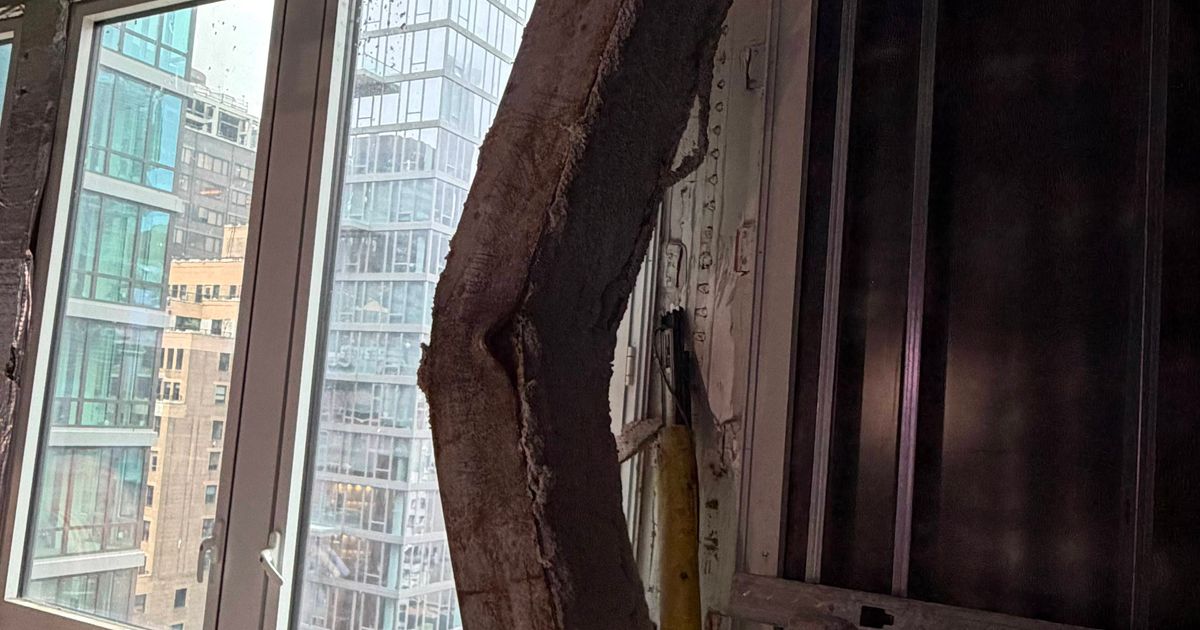
But execution has proven messier. A teetering tower highlighted by the reporting reveals how quickly projects can spiral. Conversion costs often exceed initial estimates. Structural limitations in aging office buildings, designed for heavy mechanical systems rather than residential loads, demand unexpected upgrades. Lenders grew skittish as interest rates rose, tightening credit for projects with uncertain completion timelines and tenant demand.
The challenges cut across stakeholders. Developers face construction delays and capital calls. Lenders hold loans on projects that may take years longer to stabilize than projected. Prospective renters and buyers in major metros find fewer affordable units coming online as conversions stall. Property owners of struggling office buildings watch conversion offers disappear as developer enthusiasm wanes.
Cities betting on conversions to ease housing shortages now face delayed supply. Tax revenue forecasts based on completed projects miss their marks.
Some conversions will succeed. Projects in high-demand neighborhoods with experienced sponsors and solid construction fundamentals will reach completion and lease up. But the frothy early days of the conversion boom, when any office building seemed like a potential goldmine, are over.
Developers still pursue conversions in core markets where rents support project economics. The difference: they now scrutinize building structure, run more conservative