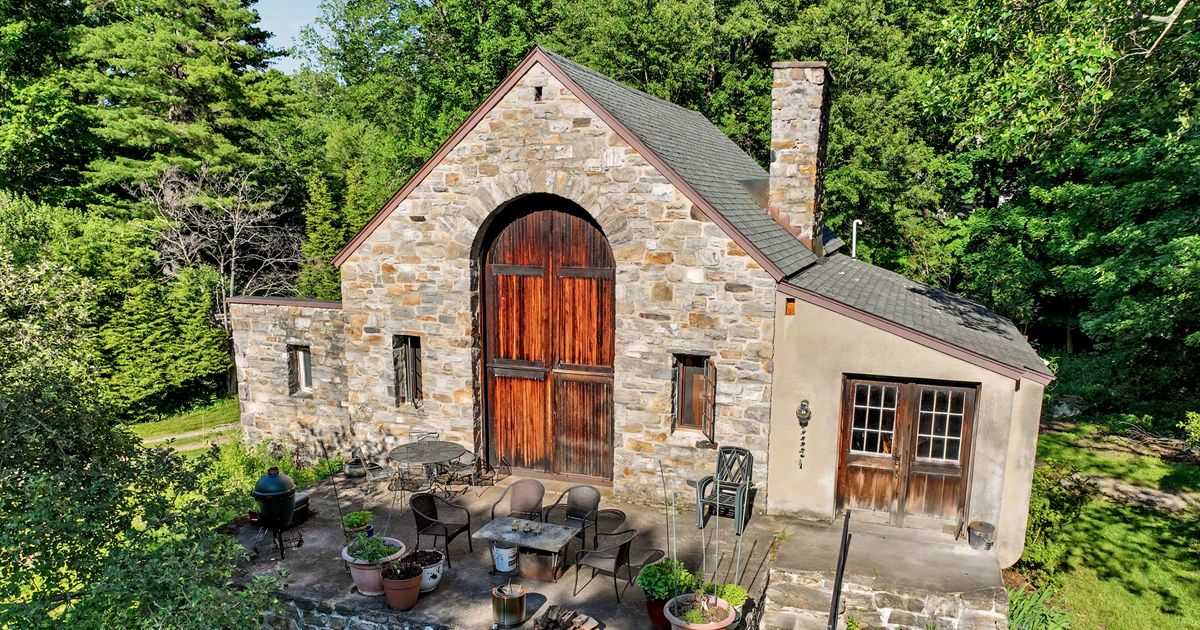
# Westport Sculptor's Multi-Generational Studio Breaks Up After Decades
A sprawling Westport property that sheltered three generations of the Nebel family is now fragmenting. The nine-acre compound, originally established by a New York sculptor who abandoned urban life for Connecticut countryside, sits on the market as the current owners liquidate the final parcel.
The estate represents a rare example of creative continuity in coastal Connecticut real estate. The sculptor originally built the compound as both working studio and family residence, creating a rare hybrid space that blended artistic production with domestic life. His grandchildren inherited not just property but also the legacy of artistic practice rooted in the land itself.
What makes this story relevant to current Westport buyers and sellers: multi-generational estates in this market typically break apart into smaller parcels. Land values in Westport have climbed steadily, making nine-acre compounds increasingly impractical for single families. Developers and families alike now carve these properties into smaller lots, fundamentally altering Connecticut's character.
The sale signals a broader pattern. Estate properties that once unified artistic practice, agriculture, and residential use now fragment into conventional subdivisions. Buyers seeking artist studios or working farms face fewer options. Sellers of similar properties watch comps shift as subdivisions replace compound living.
For the Nebel heirs, the decision reflects economic reality. Holding nine acres through multiple generations required wealth most families cannot sustain. Property taxes on land this size run substantial. The choice between keeping a legacy intact or realizing capital by selling parcels often resolves quickly in market conditions.
This liquidation matters for Westport's future. Every nine-acre compound sold becomes multiple one-acre residential lots. Land-use density increases. The town's character shifts from countryside estates toward suburban density. Historic studios and working spaces disappear as families prioritize liquidity over legacy