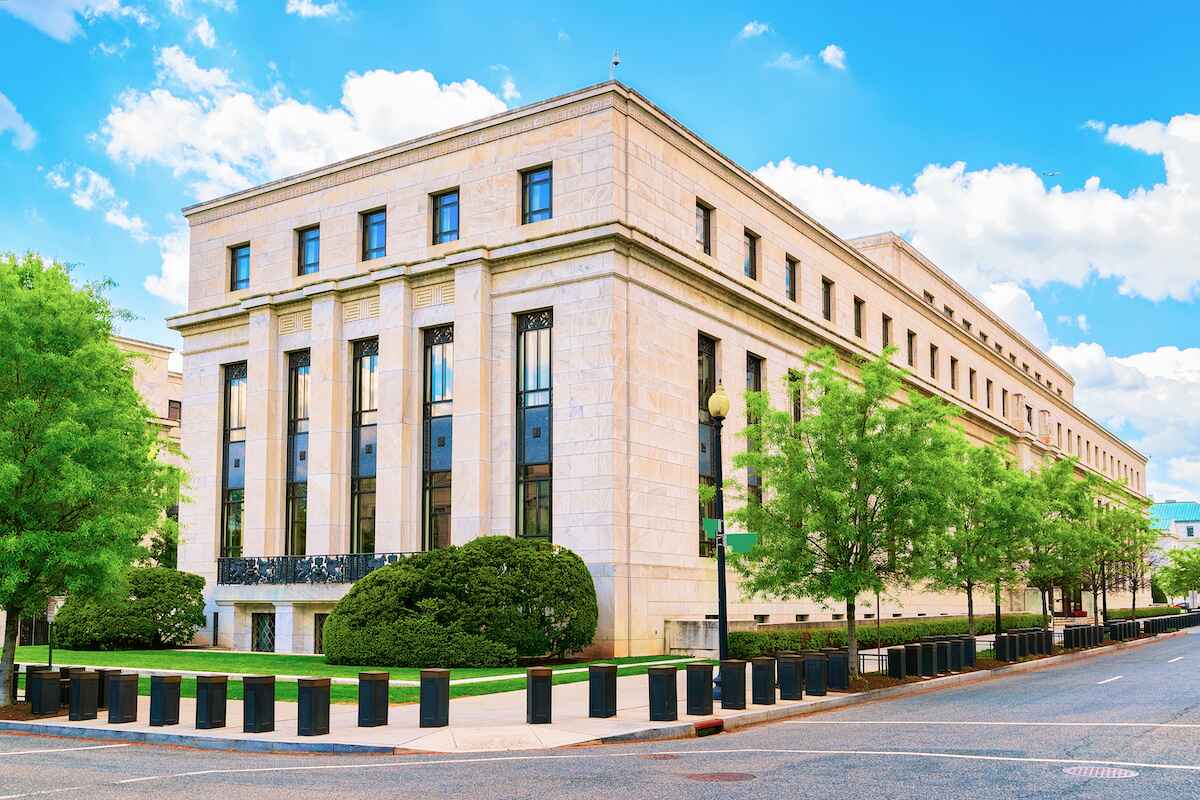
Fed officials signaling additional interest rate hikes have pushed mortgage rates to 6.83%, with the 10-year Treasury yield climbing to 4.74%. Oil prices climbing above $84 per barrel are adding inflationary pressure that's emboldening the central bank's hawkish faction.
The rate environment creates immediate headwinds for home buyers. A borrower seeking a $400,000 mortgage at 6.83% will pay roughly $2,680 monthly, compared to $2,398 at 6% rates. That $282 monthly difference eliminates qualified buyers and shrinks purchasing power by approximately $50,000 for the same payment threshold.
For sellers, the timing complicates already sluggish inventory. Higher rates cool buyer demand, extending time-on-market and pressuring asking prices. Homes in competitive urban markets like Austin, Denver, and Miami will feel the pinch first. Sellers who listed at peak pricing now face renegotiations.
Landlords operating in markets with floating-rate debt face rising carrying costs. Properties financed with adjustable mortgages will see payment increases at refinance or rate adjustment dates. Multifamily investors particularly exposed in Sun Belt markets where debt matured during the pandemic low-rate window.
Tenants benefit modestly. Reduced buyer competition may discourage investor acquisitions and new development in rental-heavy markets, potentially easing rent growth. Markets like Tampa and Phoenix that saw rent spikes could stabilize.
The Fed's hawkish messaging reflects concern about sticky inflation and labor market resilience. Each additional rate signal pushes longer-term yields higher, translating directly to mortgage rate increases. Borrowers locked into fixed-rate mortgages remain insulated, but refinance-dependent homeowners and first-time buyers face deteriorating affordability.
Mortgage origination volumes will contract further