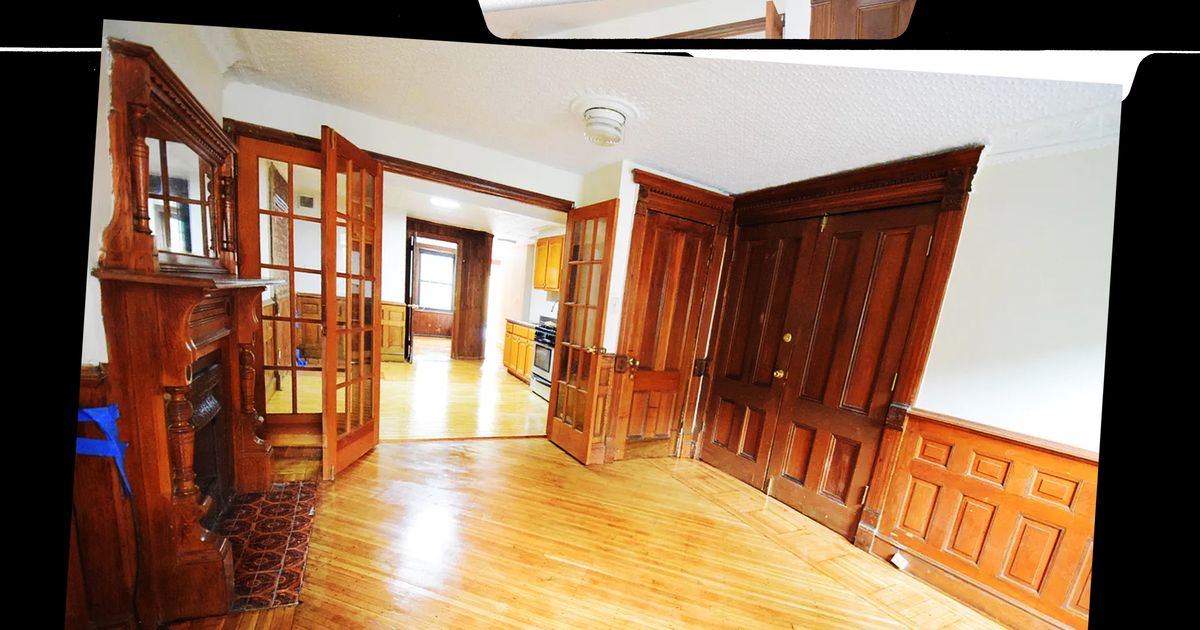
Crown Heights and Washington Heights are flooding the market with prewar apartments this week, offering buyers and renters a taste of classic New York architecture at varying price points.
Crown Heights, Brooklyn's historically rich neighborhood, showcases several prewar units with original details like high ceilings, hardwood floors, and ornamental fireplaces. These apartments appeal to buyers seeking character properties in a transit-connected area. Rental inventory here ranges from studio walk-ups to sprawling three-bedrooms, with prices reflecting the neighborhood's gentrification trajectory. For buyers, prewar homes offer established infrastructure and walkable streets. Renters benefit from competitive rates relative to newer luxury buildings.
Washington Heights in northern Manhattan presents another prewar-heavy opportunity. The neighborhood maintains some of the city's most affordable prewar housing stock, attracting first-time buyers and young families priced out of downtown areas. These older buildings typically feature lower carrying costs and property taxes compared to newer construction. The upper Manhattan location provides direct subway access via the A and 1 lines, appealing to commuters.
Prewar apartments nationwide remain desirable despite maintenance challenges. Buyers should expect potential issues with older plumbing, electrical systems, and heating, alongside building board approval processes that can delay closings. Renters in prewar buildings often enjoy rent-stabilized leases, though buildings without major capital improvements may lack modern amenities like central air and in-unit laundry.
The current inventory surge reflects spring market dynamics. Sellers list before summer, when competition peaks. Buyers entering now face less competition than June through August. Landlords with prewar units remain motivated to fill vacancies as summer approaches.
For serious buyers, prewar apartments in these neighborhoods offer value relative to newer developments. Inspect buildings thoroughly. Request documentation on recent renovations and board financial statements. For renters, prewar units provide stability through rent stabilization