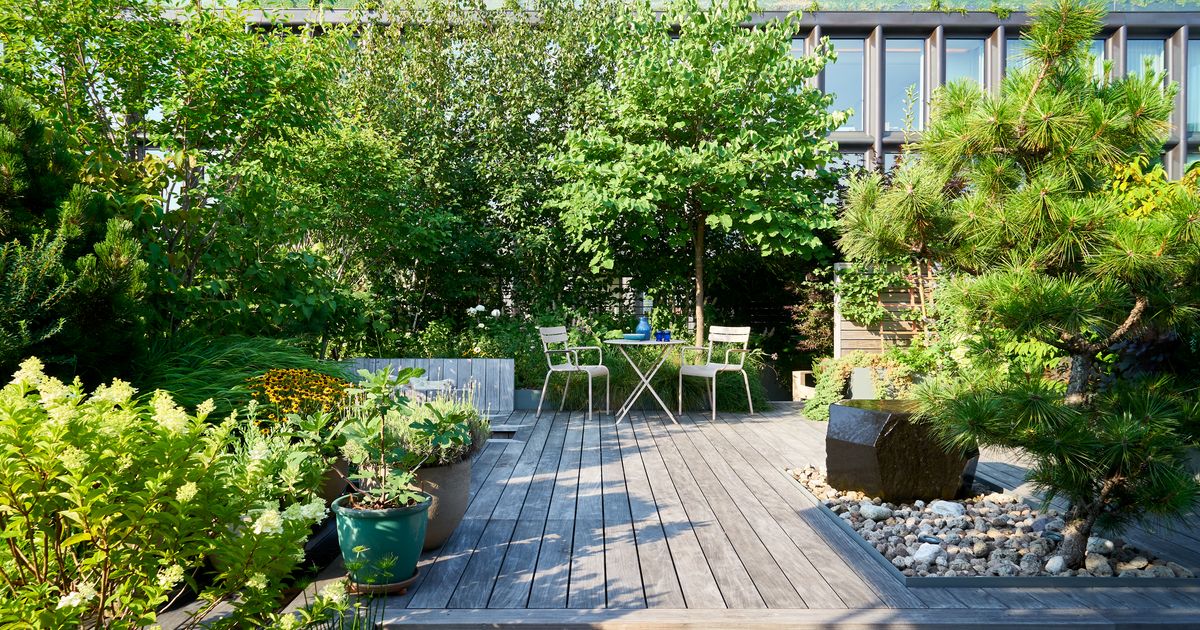
Loring McAlpin ditched his NoHo apartment view for a property with actual land. The Manhattan resident swapped his urban vista for a home surrounded by pine trees and garden space, trading the density of downtown New York for a quieter lifestyle.
McAlpin's move reflects a broader shift among affluent New Yorkers. Post-pandemic migration patterns show high-net-worth individuals increasingly leaving Manhattan's core neighborhoods like NoHo, Soho, and the East Village. They're pursuing properties with outdoor space, lower density, and more room to breathe.
The trade-offs are real. McAlpin gave up the prestige address and walkability of NoHo, where luxury apartments command premium prices. NoHo retail and restaurant access vanish once you leave. In return, he gained privacy, square footage, and land that money simply cannot buy in lower Manhattan.
This shift impacts multiple market segments. Sellers in premium NoHo buildings face softer demand from a shrinking pool of buyers willing to pay eight figures for limited views. Landlords in converted lofts along the Bowery and Mott Street compete harder for tenants who increasingly consider suburban alternatives. Meanwhile, markets outside the city core benefit from an influx of buyers with deep pockets and fresh perspective on what home ownership means.
The garden economy gains. Luxury developments in Westchester, Connecticut, and Long Island now market extensively to departing Manhattanites. Developers emphasize outdoor living, parking, and privacy. Properties with mature trees and established gardens command premiums once reserved for Manhattan addresses.
McAlpin's choice illustrates a permanent reset in real estate priorities. The view that once defined luxury in New York now competes with views of actual trees. For buyers with flexibility, the garden trumps the skyline. For sellers clinging to Manhattan-centric valuations, this signals a