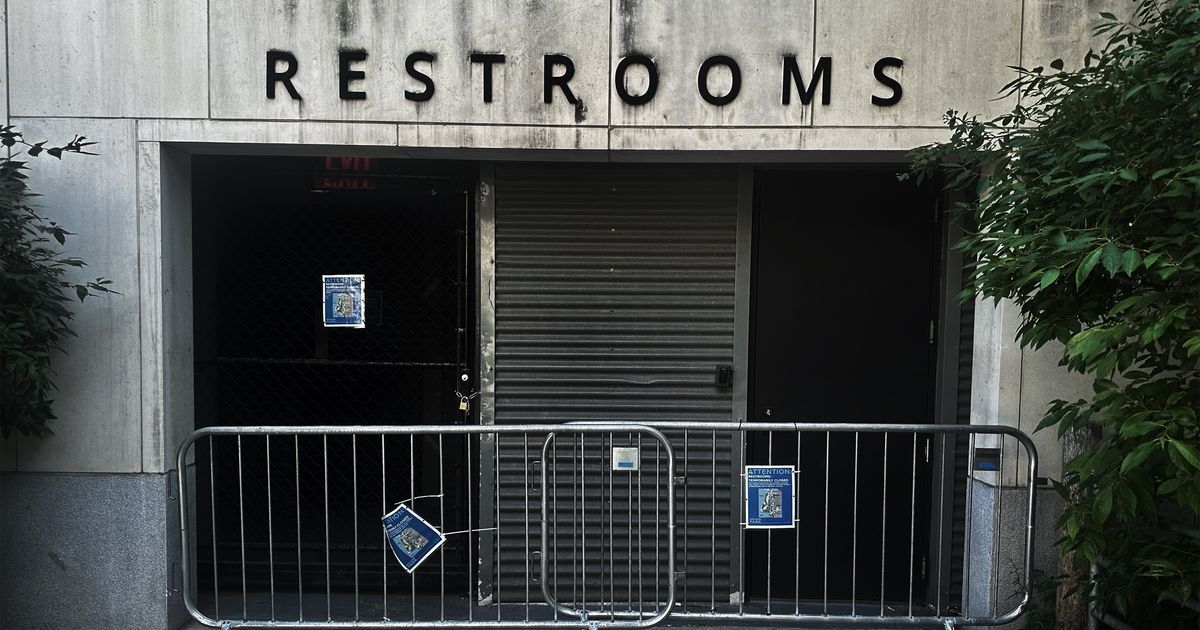
A Brooklyn Bridge Park bathroom has remained shuttered for six years after a condo owner launched a legal battle over noise from flushing toilets. The dispute centers on a public restroom located adjacent to luxury waterfront condominiums, where residents complained that plumbing sounds disrupted their living spaces.
The condo owner initially sued to force the bathroom's closure, arguing that toilet flushing and related plumbing noise constituted a nuisance. Despite three separate renovation attempts by park operators to soundproof and redesign the facility, the bathroom has stayed offline rather than face continued litigation costs and resident complaints.
The saga reflects a broader tension in Brooklyn waterfront development. Private luxury condo towers increasingly sit alongside public parks and amenities. Residents pay premium prices for waterfront living, expecting quiet environments. Park operators must balance public access needs against neighboring property owners' quality-of-life demands.
Brooklyn Bridge Park officials have invested considerable resources into fixing the bathroom problem through acoustic engineering solutions. Each renovation cycle involved specialized soundproofing materials and plumbing modifications. Yet the legal dispute persisted, making the financial and logistical case for reopening weaker with each passing year.
For visitors to Brooklyn Bridge Park, the closure eliminates essential public infrastructure. The bathroom served thousands of park users annually, particularly tourists and families. Without it, visitors must leave the park to find facilities.
For the condo residents, the legal victory came with an asterisk. Their lawsuit succeeded in keeping the bathroom closed, but they also prevented a potentially successful engineering solution. The issue reveals how individual property owner disputes can paralyze public amenities.
Park officials now face a choice: invest in a fourth soundproofing attempt, pursue legal remedies, or accept permanent closure. The condo owner's legal strategy ultimately converted a maintenance issue into a fixture of Brooklyn's waterfront landscape. Six years of closure suggests that avoiding litigation has