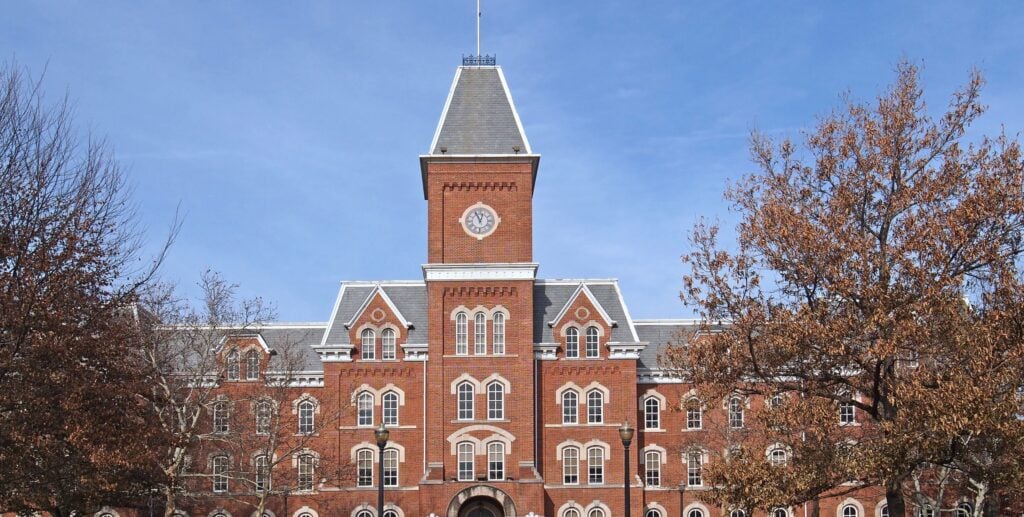
College towns across the US interior are emerging as unexpected real estate goldmines for investors seeking alternatives to saturated coastal markets. Property values in inland university communities continue climbing as demand from students, faculty, and young professionals outpaces housing supply.
These markets offer several advantages over traditional investment hubs. Rental yields remain stronger in college towns because universities anchor stable tenant demand year-round. Student housing complexes near campuses command premium rents, while multifamily properties benefit from consistent occupancy rates. Schools like those in Texas, the Midwest, and Southeast generate perpetual housing needs that insulate investors from broader economic cycles.
Pricing matters here. Inland college towns trade at 20-40 percent discounts compared to equivalent properties in major metros. A $350,000 multifamily unit in a secondary college town might generate $2,200 monthly rents per unit. The same capital investment in coastal urban centers produces significantly lower yield percentages. Cap rates in college towns typically range from 6-9 percent, outperforming saturated landlord markets where yields hover around 3-4 percent.
For landlords, these markets provide built-in tenant bases and lower competition for quality renters. Students and university staff prioritize proximity to campus, making properties near institutions particularly valuable. For residential buyers seeking long-term appreciation with rental income potential, college-adjacent single-family homes offer hybrid appeal.
Developers benefit from predictable absorption rates. Student housing projects near universities lease faster than comparable residential developments elsewhere. Construction costs remain lower inland, improving project economics.
Tenant demand creates challenges too. Seasonal migration patterns around academic calendars affect some properties. Properties targeting families and professionals alongside students perform more consistently than those relying solely on student tenants. The best inland college town investments diversify across multiple tenant types rather than betting entirely on campus proximity.
Smart investors analyze university growth plans, enrollment trends