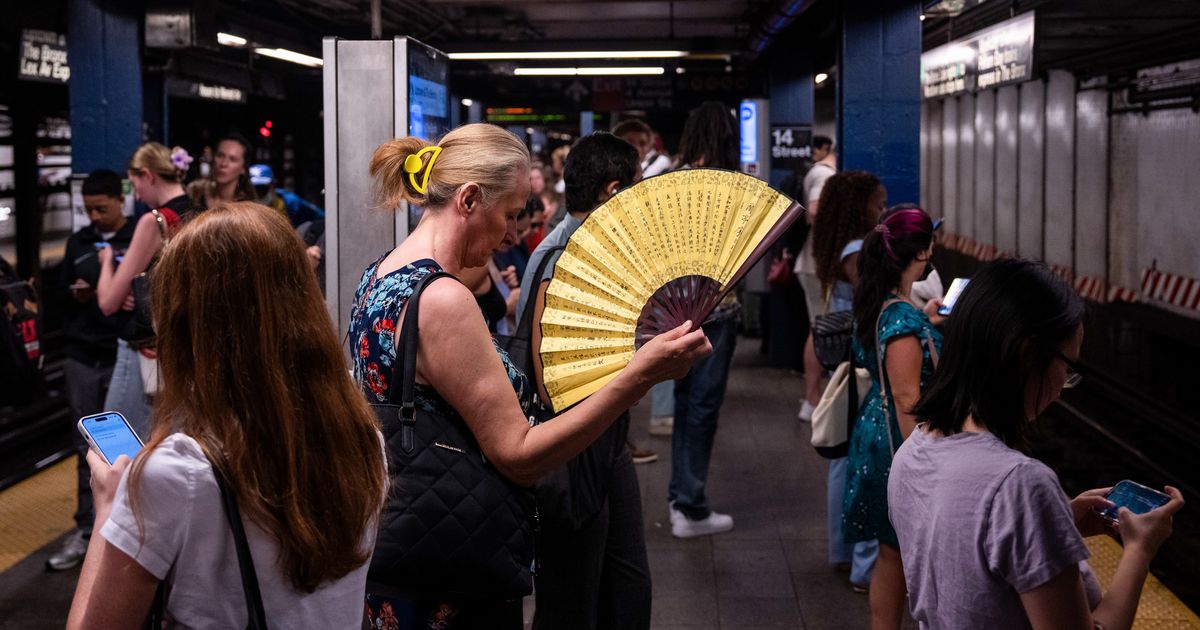
The Metropolitan Transportation Authority is exploring deep geothermal cooling as a potential solution for sweltering New York City subway stations. The technology involves drilling boreholes roughly 1,000 feet deep to tap into cooler ground temperatures, then circulating that natural coolant through station infrastructure.
The concept addresses a genuine problem. Subway stations regularly hit 100 degrees Fahrenheit or higher during summer months, creating dangerous conditions for riders and staff. Traditional air conditioning systems strain under the volume and cost of cooling such massive underground spaces. Geothermal energy bypasses that burden by leveraging stable ground temperatures that remain around 55 degrees year-round at depth.
The MTA's investigation reflects growing interest in geothermal solutions for urban infrastructure. Cities like London and Tokyo already use similar systems in transit hubs. The technology isn't theoretical. Companies have successfully deployed deep boreholes in commercial buildings across North America.
For commuters, geothermal cooling could mean materially better conditions during peak summer heat. For the MTA, it offers long-term operational cost savings once initial drilling and installation expenses are recouped. Energy savings could redirect limited transit funds toward other critical maintenance backlogs.
Practical hurdles remain. Drilling 1,000 feet beneath Manhattan requires navigating dense infrastructure, regulatory approval, and substantial upfront capital investment. Geological surveys must confirm adequate ground conditions at specific station locations. The technology also works best when paired with existing HVAC systems rather than replacing them entirely.
Installation timelines could stretch years, and costs per station remain unclear. The MTA must balance promising efficiency gains against immediate budget constraints and competing infrastructure priorities. Some stations may prove better candidates than others based on geology and design.
The agency's study phase represents pragmatism rather than pie-in-the-sky planning. Deep geothermal cooling offers a testable path toward cooler