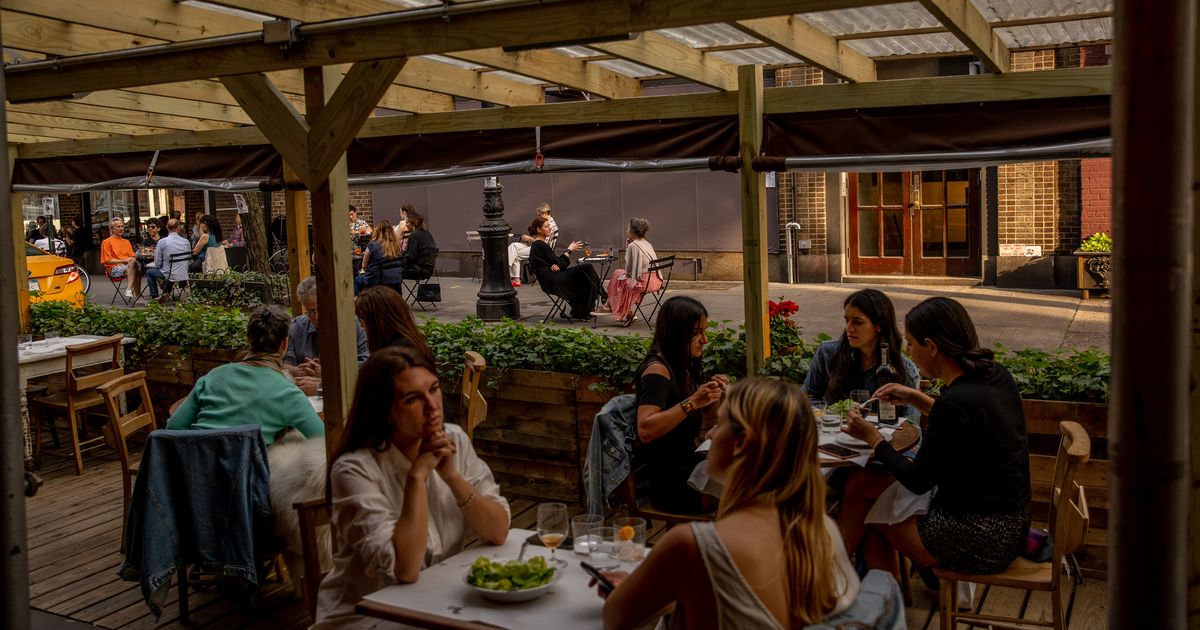
New York City's City Council has approved permanent year-round curbside dining, lifting the seasonal restrictions that previously limited outdoor seating to warmer months. The expansion allows restaurants to operate sidewalk tables, parklets, and street sheds throughout winter.
The decision reverses pandemic-era temporary measures that became popular with diners and restaurateurs alike. Year-round outdoor service reduces crowding inside establishments, improves air circulation, and creates livelier streetscapes. For restaurant operators, the change expands seating capacity without expensive interior buildouts.
Landlords benefit from increased foot traffic and extended operating hours that drive demand for nearby retail and residential spaces. Tenants gain more dining options and outdoor gathering spaces in their neighborhoods.
The approval does impose conditions. Restaurants must maintain heaters, clear snow and ice, and comply with safety standards. The city will enforce accessibility requirements to prevent curbside furniture from blocking wheelchair paths. Noise restrictions remain in place during evening hours.
For diners, year-round outdoor service means more seating availability during peak times, particularly in dense neighborhoods where indoor capacity constraints chronic. However, winter dining carries trade-offs: heated seating adds costs that some restaurants will pass to customers, and comfort levels vary by weather.
Small operators may struggle with maintenance and heating expenses during cold months. Some restaurants will operate curbside seasonally regardless of the new permission, factoring heating costs and customer demand into their decisions.
The change reflects the city's embrace of outdoor dining as permanent infrastructure rather than temporary pandemic accommodation. Cities including San Francisco, Los Angeles, and Chicago implemented similar policies, recognizing that curbside seating activates neighborhoods and supports restaurant economics during difficult periods.
For neighborhood residents, the shift means more activity outside restaurants but also potential noise and congestion concerns on already crowded blocks. Community boards retain some authority to impose restrictions in their districts.