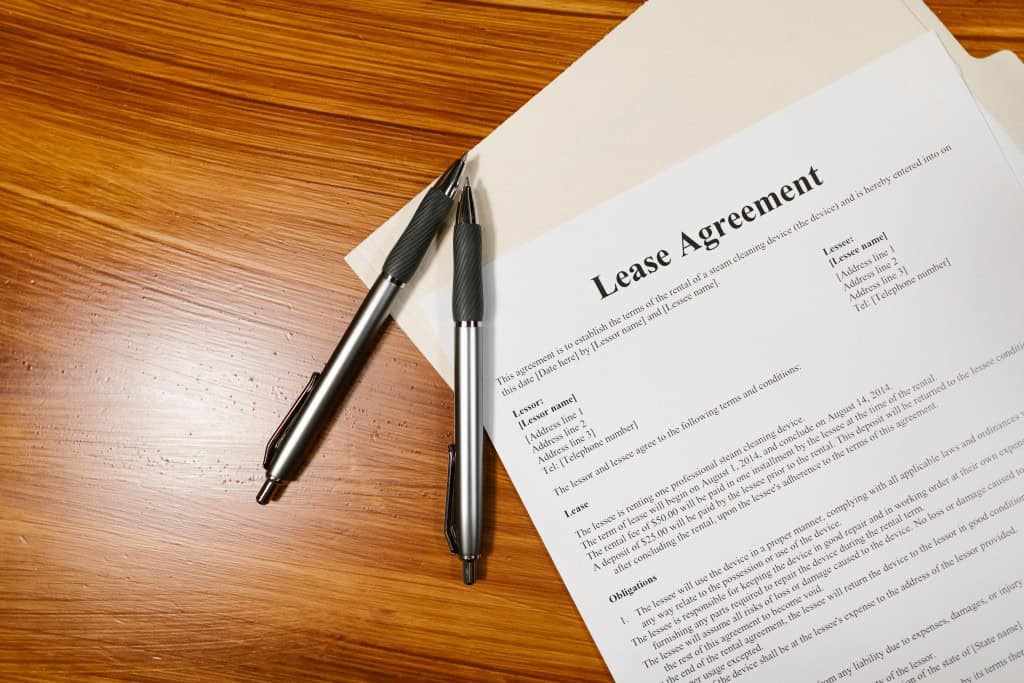
Renters face serious financial and legal risks when signing leases with problematic terms. Spotting red flags before committing protects tenants from unexpected costs, eviction threats, and abusive landlord practices.
Excessive fees drain tenant wallets fast. Watch for application fees above $50, administrative fees, pet fees exceeding $500 per animal, and surprise move-out charges. Some landlords hide these in fine print. Request an itemized breakdown of all charges before signing. Non-refundable deposits labeled as "non-refundable" violate tenant protection laws in many states, so verify local regulations apply to your lease.
Vague maintenance clauses expose tenants to neglect. Leases stating the landlord is "not responsible" for repairs or that tenants must handle all maintenance create liability problems. Your lease should specify that landlords maintain habitability standards. Broken heating, plumbing, or structural issues remain the landlord's responsibility regardless of what the lease says.
Automatic rent increases without notice lock renters into escalating costs. Terms requiring 3%, 5%, or 10% annual increases without advance notice make budgeting impossible. Negotiate caps on increases or require 60-90 days written notice before hikes take effect.
Overly broad eviction language favors landlords unfairly. Phrases like "any violation" or "at landlord discretion" allow eviction for minor infractions. Your lease should detail specific lease violations that trigger eviction and require proper notice periods. Many states mandate 30-60 day notices before eviction proceedings begin.
Restrictions on guests and quiet enjoyment signal controlling landlords. Prohibitions on overnight visitors or requirements to get permission for guests create enforcement nightmares. These clauses often violate tenant rights laws.
Missing move-out procedures invite deposit theft. Legitimate leases