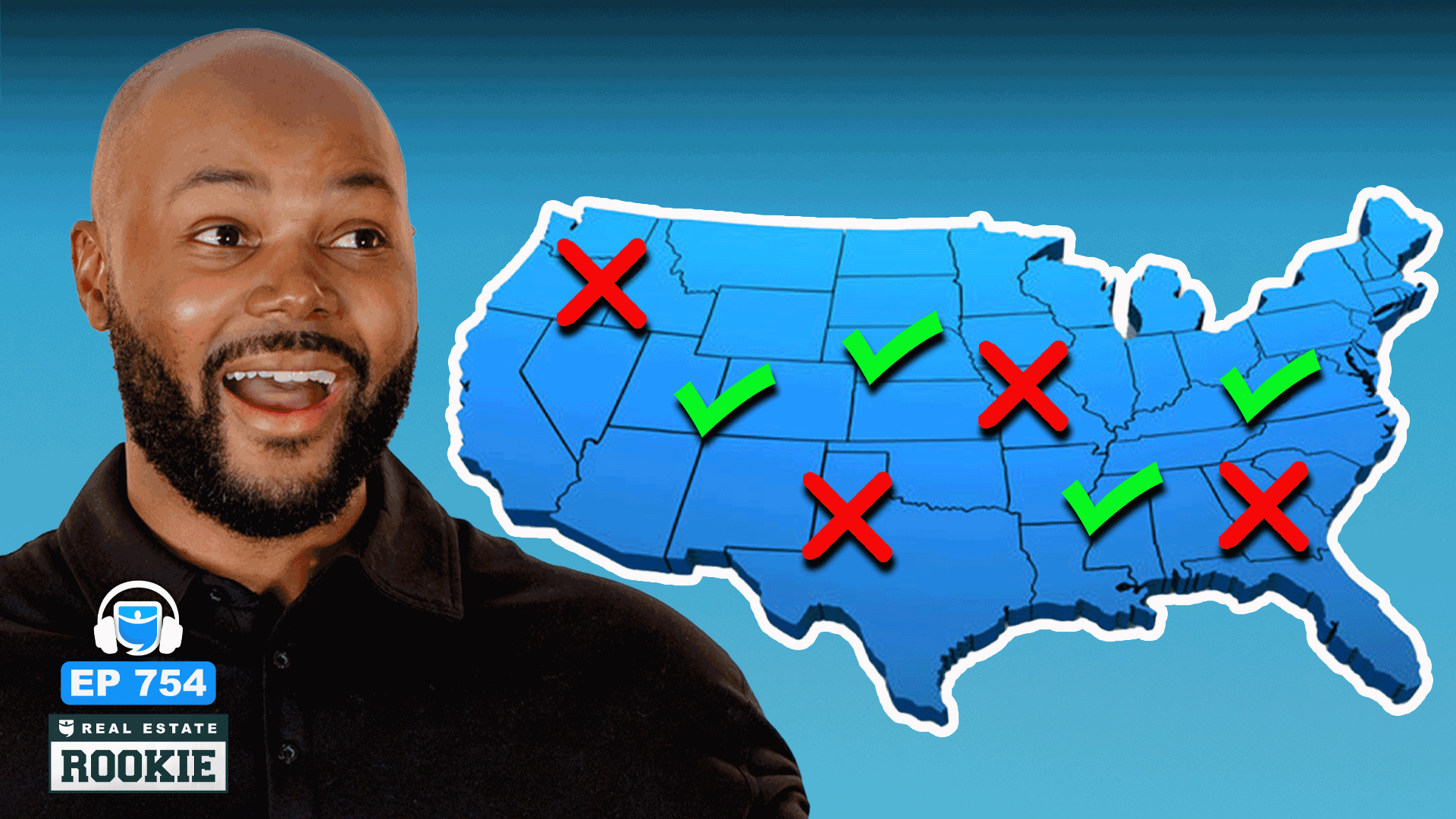
New real estate investors commonly misjudge rental markets by fixating on single metrics rather than analyzing complete market conditions. Growth rates and low property prices alone do not guarantee returns. Successful investors examine employment stability, population trends, rental demand, vacancy rates, repair costs, and local regulations together.
Many beginners chase markets with the lowest purchase prices without investigating why prices remain depressed. A $80,000 rental property in a declining industrial town may require constant repairs and sit vacant for months. That same $80,000 in a growing suburban market near job centers attracts consistent tenant demand and commands higher rents.
Employment data matters more than headline growth. Markets with diversified employers weather economic downturns better than those dependent on a single industry. A town built around one factory closure creates cascading problems for landlords. Regions with healthcare systems, universities, tech companies, and government offices maintain tenant pools during recessions.
Rookie investors also underestimate repair and maintenance costs. Property condition reports from inspectors provide baseline numbers, but experienced landlords budget 1 percent of property value annually for unexpected repairs. A $150,000 rental requires roughly $1,500 yearly in reserves. Many new investors set aside $200 and face $5,000 roof leaks unprepared.
Local rent-to-price ratios reveal market viability. In strong markets, monthly rent equals 0.8 to 1 percent of purchase price. A $100,000 property generating $900 monthly rent hits the sweet spot. Below 0.6 percent signals weak cash flow and long recovery periods.
Regulations matter too. Cities with rent control, strict tenant protection laws, and difficult eviction processes reduce landlord flexibility and profitability. Conversely, landlord-friendly markets allow quicker turnover and lease adjustments.
The best markets combine affordable entry prices, strong