# Fed Chair Warsh Signals Hawkish Stance on Interest Rates
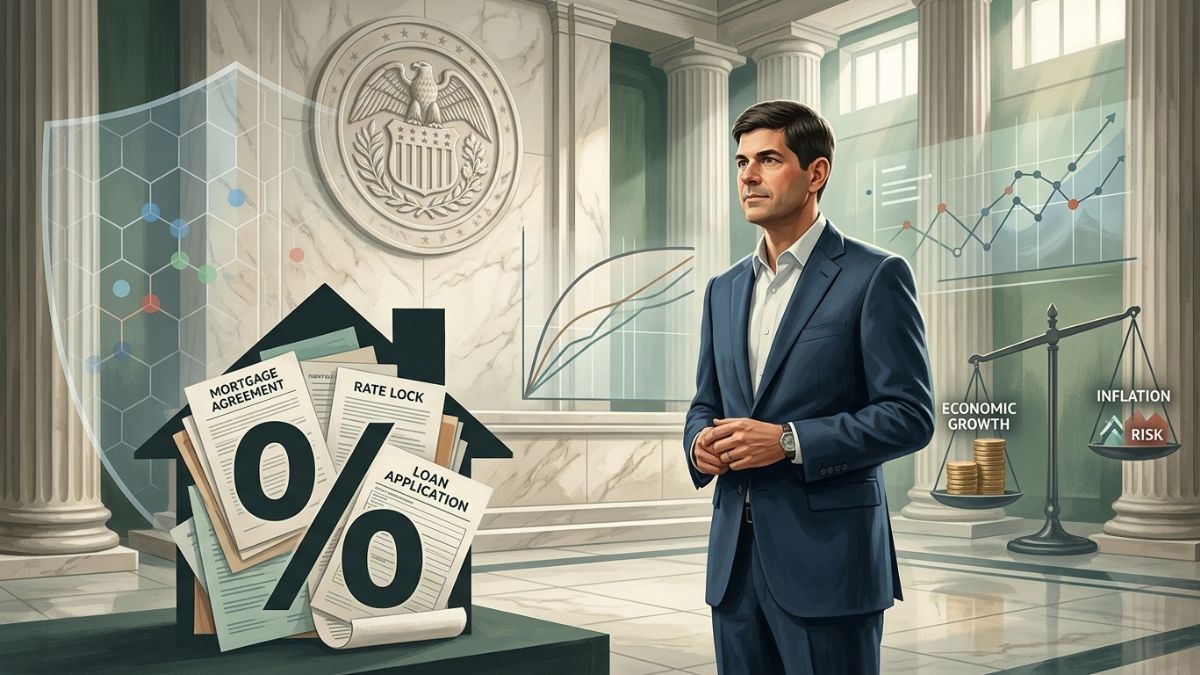
Federal Reserve Chair Kevin Warsh has signaled a willingness to vote for rate hikes if economic data fails to show improvement, marking a hardline position on inflation control that could reshape borrowing costs across the real estate market.
Warsh's comments represent a shift in Fed messaging after months of debate about whether the central bank has raised rates enough to combat persistent inflation. His stance suggests the Fed remains data-dependent but leans toward tightening if progress stalls. This matters enormously for homebuyers, sellers, landlords, and commercial investors who operate in an environment where mortgage rates and lending costs fluctuate with Fed policy.
Current mortgage rates hover near historical highs. A typical 30-year fixed-rate mortgage sits around 6.5% to 7%, depending on borrower credit and lender. If Warsh and other Fed officials vote to raise the federal funds rate further, mortgage rates will climb higher. This dynamic dampens buyer demand, slows home sales velocity, and puts pressure on sellers to adjust expectations.
For homebuyers still in the market, rising rates compress purchasing power. A $400,000 home affordable at 6% becomes substantially less accessible at 7%. First-time buyers already priced out of markets like San Francisco, New York, and Miami face further headwinds. Those with adjustable-rate mortgages or variable-rate construction loans face immediate rate increases when refinance or reset dates arrive.
Landlords and multifamily investors encounter similar pressures. Cap rates on rental properties tighten as borrowing costs rise. A 5% cap rate property financed at 6.5% generates thin margins. New acquisitions become harder to justify economically. Existing portfolios see refinance risk if loans mature in a higher-rate environment.
Commercial real estate borrowers face the sharpest pain. Office buildings, retail centers, and industrial properties already stress from higher vacancies and shifting tenant demand. Higher borrowing costs reduce development feasibility for new projects and make refinancing maturing debt problematic. Lenders like Blackstone, Starwood Property Trust, and regional banks tighten credit boxes accordingly.
The residential construction sector responds quickly to Fed policy signals. Homebuilders including Lennar, D.R. Horton, and PulteGroup adjust production schedules when mortgage rate forecasts shift. Higher rates suppress demand for new homes, slowing permit issuance and labor needs.
Warsh's comments suggest the Fed prioritizes inflation over supporting the housing market or employment. Previous Fed chairs wavered between mandate priorities. Warsh appears willing to tolerate economic softness if price pressures persist. The market will scrutinize each inflation report for evidence supporting his hawkish position.
Sellers should accelerate listings if they anticipate rate hikes. Buyer pools shrink with every rate increase. Landlords should finalize refinance plans before additional hikes materialize. New construction projects should lock in financing commitments immediately.
The alternative scenario. If employment weakens noticeably or inflation data beats expectations, Warsh and colleagues might pause or cut rates later. Rate forecasts continue shifting based on incoming data. Markets price in roughly a 40% probability of further hikes within the next quarter, with cut possibilities emerging by early 2025.
Warsh's voting record on the Fed's Open Market Committee will command close attention from real estate investors and mortgage market participants tracking policy direction.