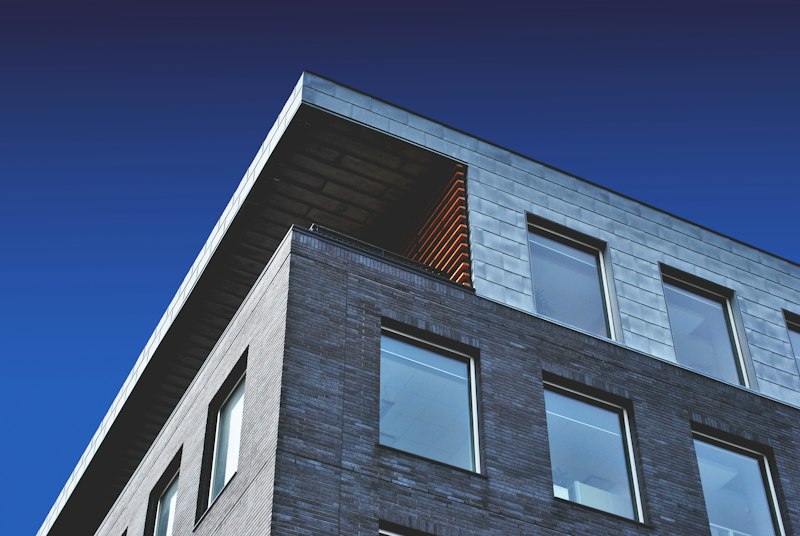
ACORE Capital has taken control of a stalled life sciences project in Hell's Kitchen after the original developers handed over the keys through a foreclosure settlement. The lender claimed two adjacent office buildings at 707 11th Avenue and 615 West 50th Street via deed in lieu of foreclosure, with the properties valued at $60 million according to city records filed Wednesday.
Georgetown Company and Beacon Capital Partners had planned to convert these unconverted office spaces into a life sciences facility, but the project stalled before completion. Rather than face a formal foreclosure proceeding, the developers transferred ownership to ACORE Capital, which provided the original construction financing.
A deed in lieu of foreclosure is a negotiated settlement between a borrower and lender. The borrower surrenders the property to satisfy the debt without going through the court system. This approach typically moves faster than traditional foreclosure and costs both parties less in legal fees. For Georgetown and Beacon, it provided a clean exit from an underwater project. For ACORE, it gained direct control of two Manhattan office buildings at a time when the city's office market faces persistent challenges.
The Hell's Kitchen location sits in one of Manhattan's most competitive neighborhoods. The West Side corridor between 42nd and 59th Streets has seen aggressive development activity and conversion projects over the past decade. Life sciences facilities have attracted investor interest as tenants, particularly biotech and pharmaceutical companies seeking laboratory and research space. However, the sector remains highly specialized, and the conversion from generic office space requires significant capital expenditure and specialized infrastructure.
The takeover raises questions about the future use of these properties. ACORE Capital, as a commercial real estate lender, typically works with partner operators or sells assets to developers with stronger balance sheets. The firm may attempt to stabilize the buildings as traditional office space, seek a new developer partner to complete the life sciences conversion, or sell the properties to a buyer better positioned to execute the original vision.
Manhattan's office market has contracted substantially since the pandemic shifted work patterns. Vacancy rates in Midtown climbed above 18 percent in recent quarters, pressuring landlords to offer aggressive concessions or invest heavily in modernization. Life sciences conversions remain one of the few strategies that command premium rents and attract long-term tenants with strong credit profiles. However, these projects require patient capital and specialized expertise that not all developers possess.
The $60 million valuation reflects the properties' current condition and market value. This figure likely fell substantially from earlier assessments, indicating how far the project's fortunes declined. The deed in lieu settlement allows both parties to acknowledge this reality without prolonging a litigation battle.
ACORE Capital's next move will reshape the trajectory of these two Hell's Kitchen buildings. The firm faces several options: operating them as office space, partnering with an experienced life sciences developer, or selling the assets. Given ACORE's lending background rather than development expertise, a strategic partnership or sale seems likely within the next 12 to 18 months.
The situation highlights risks in Manhattan's office-to-specialty-use conversion strategy. Even strong development teams with adequate financing can struggle when market conditions shift or demand expectations prove overly optimistic.