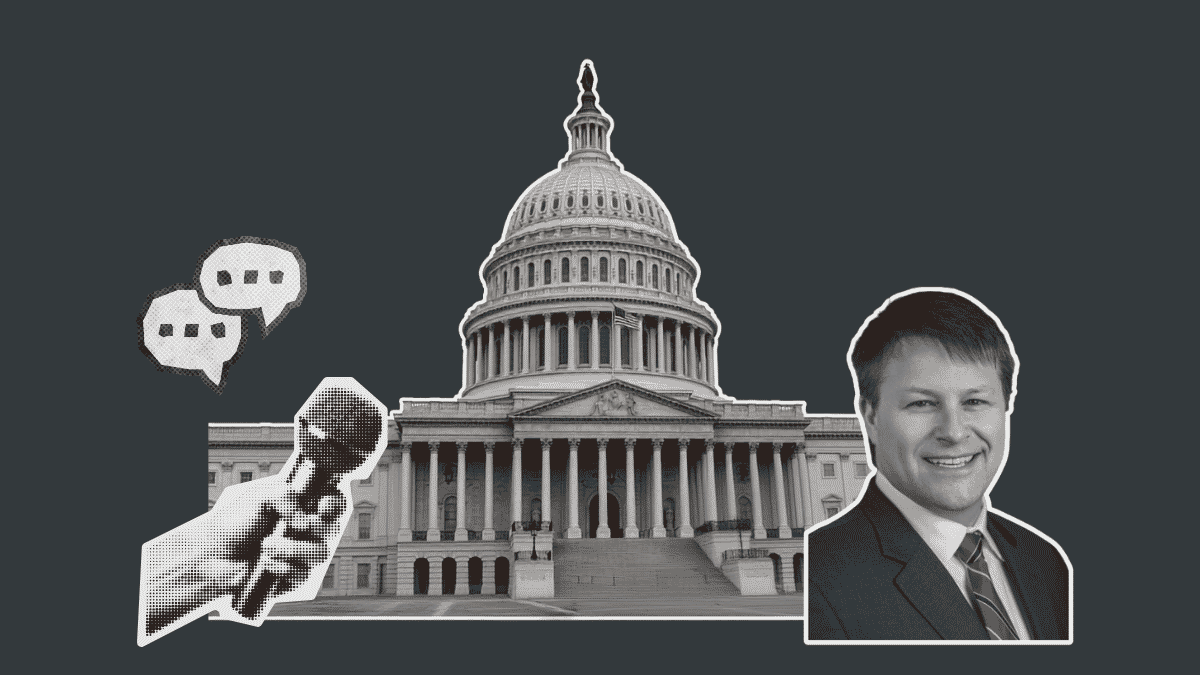
# Senate Panel Backs Brian Johnson's Nomination to Lead Consumer Protection Bureau
The Senate Banking Committee voted 13-11 to advance Brian Johnson's nomination as director of the Consumer Financial Protection Bureau. The narrow margin signals deep partisan divisions over leadership at the agency that oversees mortgage lenders, banks, and other financial service providers serving property buyers and renters.
Johnson's confirmation fight matters for real estate professionals and consumers. The CFPB director sets enforcement priorities, housing lending rules, and mortgage servicing standards. These decisions directly affect how lenders operate, what disclosures buyers receive, and tenant protections in rental markets.
The 13-11 committee vote breaks along party lines, with Democrats supporting Johnson and Republicans opposing him. This pattern predicts a tight floor vote when the full Senate considers his nomination. Johnson must secure at least 50 votes (or 51 if Vice President Kamala Harris casts a tiebreaker) to win confirmation.
Johnson's background shapes the policy direction ahead. Mortgage lenders watch CFPB directors carefully because the bureau writes rules on qualified mortgages, loan origination practices, and discrimination enforcement. Renters and tenant advocates monitor who leads the CFPB since it regulates debt collection practices affecting eviction processes. Real estate investors track the agency's stance on fair lending and property manager compliance.
The committee's party-line vote reflects broader ideological splits over financial regulation. Republicans typically oppose expanding the CFPB's authority and argue heavy-handed enforcement stifles lending and raises mortgage rates. Democrats favor stronger consumer protections and aggressive oversight of predatory lending practices. Johnson's nomination lands in this fault line.
If confirmed, Johnson replaces Rohit Chopra, who built a reputation for aggressive enforcement actions against major banks and mortgage servicers. Lenders faced increased scrutiny under Chopra's leadership. The incoming director's enforcement philosophy will shape mortgage market conditions for the next several years.
For homebuyers, CFPB leadership affects mortgage disclosure requirements, rate-shopping periods, and lender accountability for mistakes. Better enforcement can pressure lenders toward transparent pricing and fair lending. Weak enforcement can reduce compliance costs lenders pass along to borrowers, potentially lowering rates but increasing risks of discriminatory practices.
For landlords and property managers, the CFPB's stance on rental debt collection and eviction-related practices influences tenant protections and collection costs. Stricter oversight reduces aggressive collection tactics but raises operational costs for property owners managing problem tenants.
For sellers, a business-friendly CFPB director might ease mortgage underwriting standards, expanding the pool of qualified buyers. A consumer-focused director might tighten lending standards, reducing demand from marginal buyers but protecting borrowers from over-leveraging.
The full Senate will vote on Johnson's nomination after the committee advance. Timing remains uncertain. If Republicans block confirmation, the CFPB would continue under acting leadership until the Senate confirms a new director or Johnson's nomination dies.
The mortgage market awaits the outcome. Lenders adjust compliance spending, disclosure practices, and enforcement reserves based on CFPB leadership. Johnson's confirmation could shift industry direction toward lighter regulation or maintain current enforcement intensity depending on how much influence he gains within the bureau.