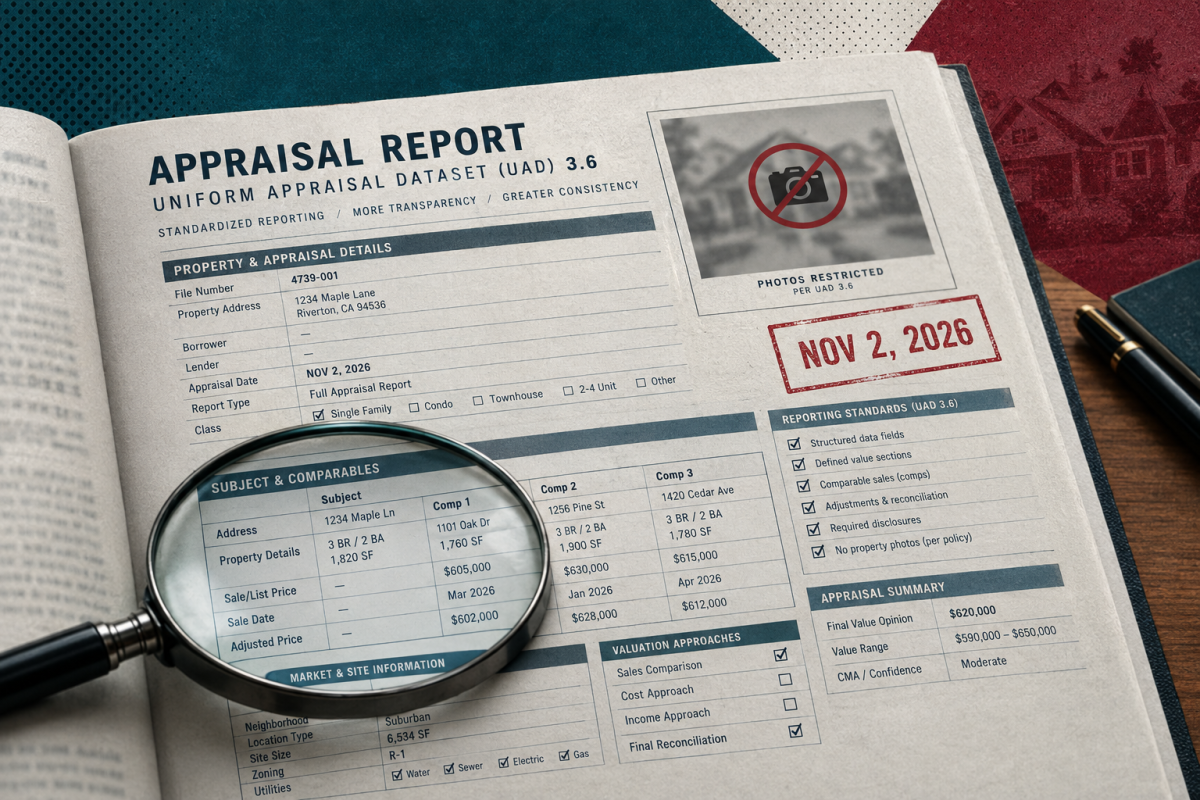
# Appraisers Sound Alarm on Private Listings Limiting Property Comparisons
The shift toward private real estate sales is creating operational friction for appraisers, who rely on comparable property data to establish market value. As more listings go off-market, appraisers face shrinking pools of verifiable transactions and longer timelines to complete valuations.
The core problem sits simple. Appraisers need access to recent sales of similar properties in the same neighborhood to justify their valuations. Private sales, by definition, remove this data from public records. Homes listed on MLS systems become part of the public record. Homes sold privately between buyers and sellers, or marketed through pocket listings and exclusive channels, stay hidden.
This trend accelerates as luxury sellers and agents increasingly bypass traditional MLS listings. The appeal is clear: privacy, exclusivity, and control over who sees the property. But the practice ripples downstream, forcing appraisers to dig deeper, call more sources, and spend extra time assembling comps.
Appraisers already operate under time pressure. Mortgage lenders typically demand appraisals within 5 to 10 business days. Limited comp availability stretches that window. Some appraisers report spending 40% more time on valuations in markets where private sales dominate.
The mechanics of this delay matter for homebuyers, sellers, and lenders alike. For buyers, a delayed appraisal can push back closing dates and create uncertainty during underwriting. For sellers, extended appraisal timelines mean deals hang in limbo. For lenders, incomplete appraisals increase risk that a property's value doesn't support the loan amount.
The valuation challenge cuts deeper in certain markets. Urban centers with strong investor activity and affluent neighborhoods see higher private listing volumes. Secondary markets rely more on public records, making comp searches easier. This creates uneven pressure on appraisers depending on geography.
Technology offers partial solutions. Some appraisers lean on broker networks, direct outreach to agents, and tax assessor records to build comp lists. But these methods consume time and reduce accuracy compared to verified MLS data. Tax records often lag months behind actual sales prices. Broker networks depend on cooperation from agents who may not share private sale information.
The broader concern extends beyond timeline delays. Appraisers warn that hidden interiors create valuation gaps. A property marketed privately may have received minimal interior photography or documentation. Appraisers then estimate condition based on exterior inspection and limited documentation. This guesswork introduces risk into the valuation.
Lenders absorb this risk. If an appraiser undervalues a property due to limited comps, the lender faces exposure. If an appraiser overvalues due to insufficient data, the borrower may owe more than market value. Either scenario creates friction in the transaction.
Real estate attorneys and title companies also feel the impact. Title work for private sales sometimes lacks the paper trail present in MLS transactions. This extends title insurance searches and underwriting.
The appraiser community calls for better data sharing standards and faster access to private sales information. Some state appraisal boards explore rule changes to address turnaround time expectations. Lenders, meanwhile, budget extra time into closing schedules and may charge higher appraisal fees for complex comps searches.
For now, the trend toward private listings shows no signs of reversing. Appraisers prepare for a market where less public data means longer, harder work.