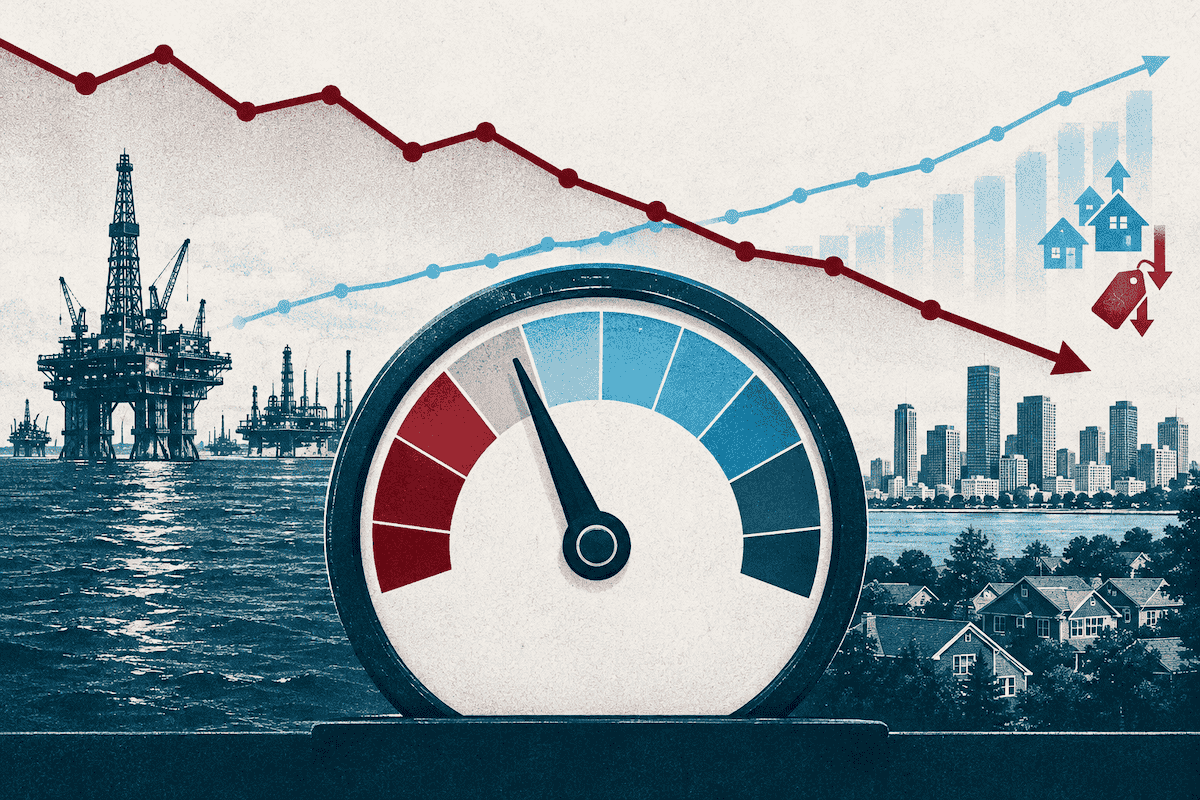
# Mortgage Rate Dip Offers First Signs of Demand Stabilization
Mortgage rates dropped to 7.30% this week as the 10-year Treasury yield fell below 5% for the first time in months, halting the steady erosion of buyer interest that has plagued the housing market since rates climbed above 7% last summer.
The rate movement marks a reversal after an extended period of upward pressure. Bond markets experienced significant volatility throughout the week, with Treasury yields swinging sharply as investors digested inflation data and Federal Reserve signals. The dip below 5% on the 10-year benchmark signals potential breathing room for prospective homebuyers who have watched monthly payments climb relentlessly.
For buyers, this matters directly. A $400,000 mortgage at 7.30% costs roughly $2,700 monthly. At the higher rates above 8% seen earlier this year, that same loan cost $2,950. The difference compounds quickly over 30 years, adding tens of thousands to total loan costs. First-time buyers priced out of markets over the past 18 months now face a decision: wait to see if rates fall further or lock in before they climb again.
Sellers benefit from renewed buyer activity. Homes listed during high-rate periods sat longer on the market. A modest rate decline typically accelerates showings within two weeks, giving sellers better negotiating positions. In competitive markets like Austin, Phoenix, and South Florida, even a half-percentage-point drop can rekindle bidding wars that disappeared when rates spiked.
Landlords monitoring the purchase market should pay attention. Higher mortgage rates push some would-be buyers into rental markets, boosting tenant demand and rental rate growth. A rate reversal cuts both ways: it pulls some tenants back to homeownership, which could moderate rent increases but also opens acquisition opportunities for investors buying at steadier prices.
The real tension sits between this week's relief and the broader economic picture. The Federal Reserve maintains rates at 5.25% to 5.50%, and officials have signaled reluctance to cut aggressively while inflation remains above target. Bond traders are pricing in potential rate cuts in 2024, but housing market participants should avoid reading too much into one week of yield movement.
Mortgage lenders including Wells Fargo, Bank of America, and Rocket Mortgage adjusted rates downward, though locks remain competitive rather than steep. Refinancing activity typically begins to pick up when rates fall 0.75 percentage points or more from current levels, meaning refi opportunities remain limited for homeowners holding 6.5% to 7% mortgages.
The housing demand question hinges on whether this rate stability holds. Pending home sales fell 7% year-over-year in recent months as affordability collapsed under sustained high rates. Even with modest relief, median home prices remain elevated in most metros, keeping monthly payments uncomfortable for typical buyers. Austin median prices hover near $500,000, while San Diego and Los Angeles both exceed $600,000, meaning rate reductions alone won't restore affordability without wage gains or price corrections.
Builders watch closely too. Tighter rate environments pressure new construction economics, but modest relief helps developer confidence. If rates stabilize below 7.50%, builders in supply-constrained markets like Dallas and Denver may accelerate starts, pulling materials demand and labor costs higher.