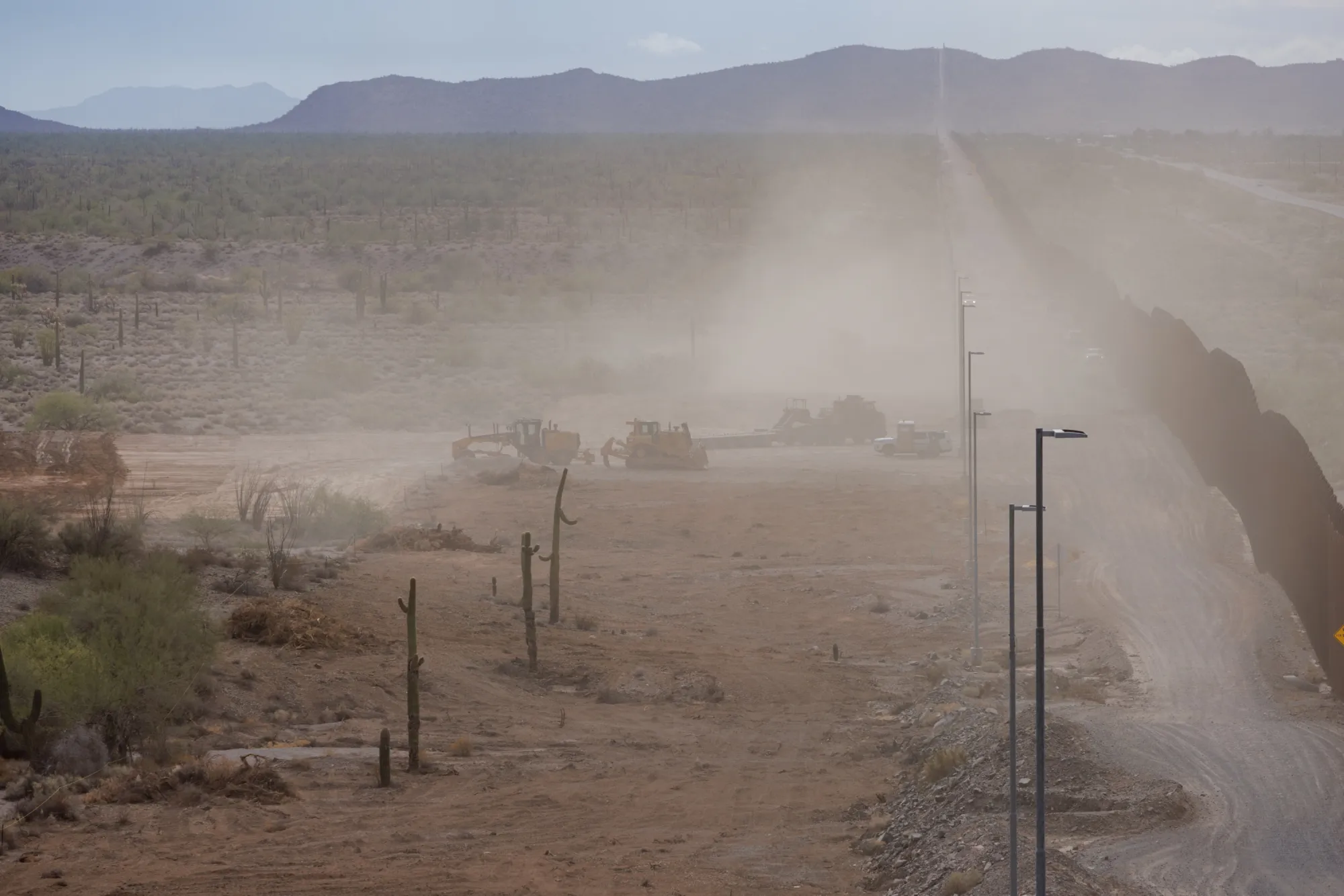
Native American remains were unearthed on September 8 at Organ Pipe Cactus National Monument southwest of Tucson during border wall construction by Customs and Border Protection contractors. The National Park Service confirmed the discovery, stating the University of Arizona assessed the remains and found they were human and aligned with tribal cremation practices dating back approximately 1,500 years.
Lorraine Eiler, an 89-year-old member of the Hia-Ced O'odham tribe, had warned in August that bulldozing would disturb ancestral burial sites. She was notified of the discovery by cultural affairs specialists with the Tohono O'odham Nation. Her family decided to delay reburial until construction stops, fearing more remains will be uncovered.
CBP said it was notified six days after the discovery and that its cultural resource specialists found no other remains in the area. The agency stated no additional construction has occurred at the location since then.
The discovery follows an earlier incident in April when border wall contractors bulldozed the Las Playas Intaglio, a large earthen etching believed to be at least 6,500 years old. CBP described the incident as accidental.
Under the Native American Graves Protection and Repatriation Act, work in the discovery area must remain suspended for at least 30 calendar days while the Park Service consults with tribal representatives on the remains' disposition.
Verlon M. Jose, chairman of the Tohono O'odham Nation, said the discovery was a wound to tribal members whose ancestors are ancestors being desecrated. U.S. Rep. Adelita Grijalva said tribal leaders had warned DHS about these consequences for months without being heard.
The Department of Homeland Security invoked its authority under the Real ID Act to waive over 40 environmental and cultural protection laws for Organ Pipe construction in 2019, including NAGPRA itself.