Hunter Foote pivoted from traditional rental investing to sober living homes after growing frustrated with evictions. Starting in 2010, he flipped homes and owned multi-family units in New England but found the work disheartening. A 2015 conversation with his sister-in-law, who works in recovery in central Connecticut, shifted his focus. She described people leaving treatment with nowhere to go. Foote saw an opportunity to help while still investing in real estate.
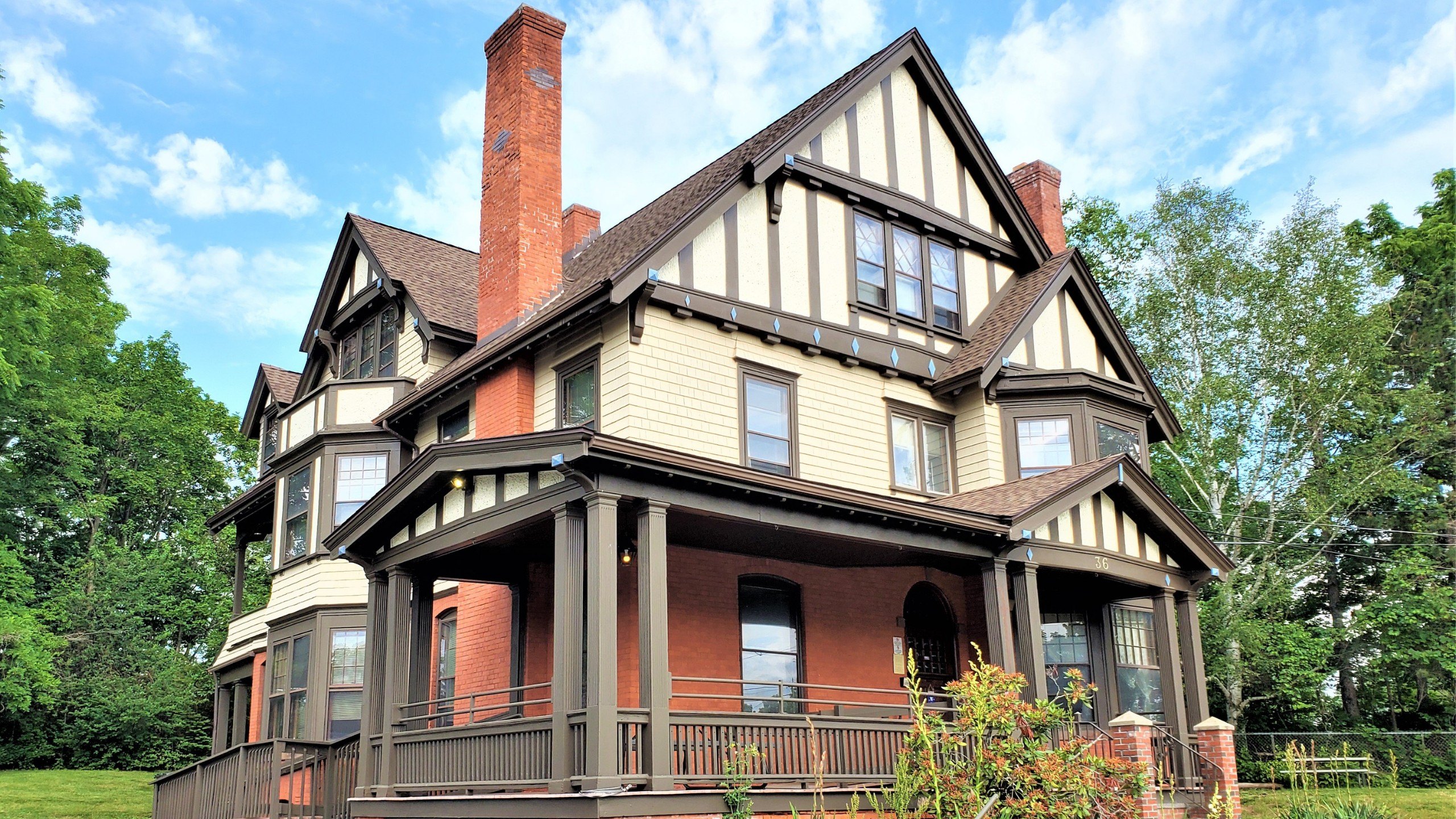
In 2016, Foote bought a seven-bedroom home in Worcester, MA for $360,000. The property had been listed at $480,000 and sat on the market over 200 days. It was zoned as a two-family unit with six bedrooms upstairs and a basement apartment. He financed it with a hard money loan at 12% interest with two points, later refinancing using a DSCR loan.
The property generated approximately $13,000 in monthly revenue once full. Operating expenses totaled roughly $4,000. After accounting for property taxes, insurance and the mortgage, the home netted approximately $5,000 a month.
Foote learned quickly that filling beds required hard work. He networked with jail pre-release programs, drug courts and treatment centers to get referrals. The home broke even in six months and turned profitable by nine months.
The average resident stay is between six and nine months, though some leave within days. Foote implemented a $200 nonrefundable intake fee to cover drug screening and bag searches after losing money on early departures.
His homes are NARR Level II certified recovery residences with no paid on-site staff. Each house is single-gender with a house mentor living there free. Foote now owns about 10 sober-living homes and manages many more.
He has since launched Vanderburgh Sober Living, a management company helping other investors run sober-living homes and find properties. He is also developing Sober Desk, software designed for sober-living landlords to manage operations, including weekly rent collection and drug screening logs.