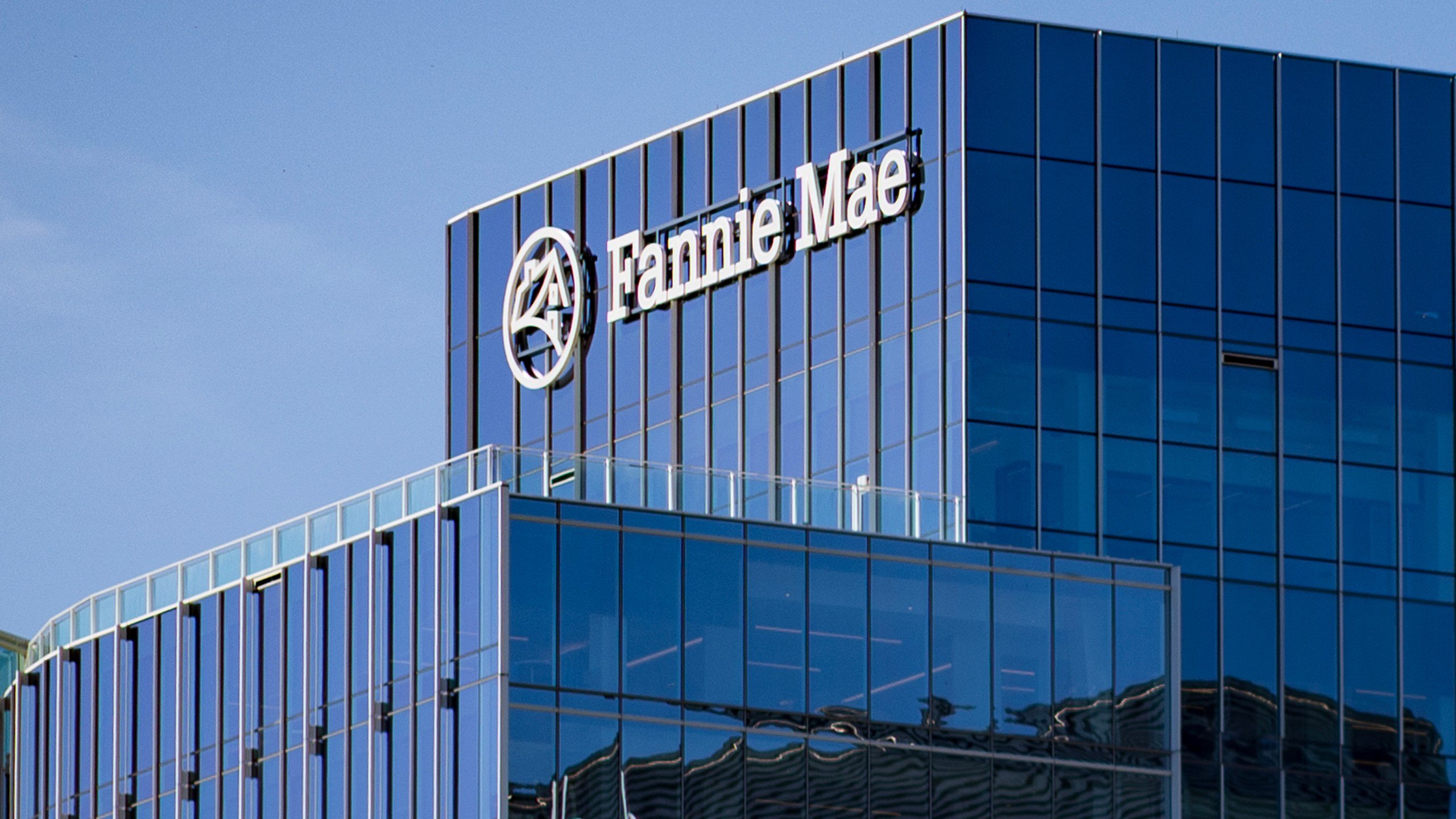
President Trump has suggested ending the federal conservatorship of Fannie Mae and Freddie Mac, a status the two mortgage giants have held for 18 years since the 2008 bailout. Whether his administration will pursue this remains unclear after the midterms, with Democrats poised to control Congress in January.
Trump floated the idea of an initial public offering, with the companies valued at up to $1 trillion combined and potentially selling 5% to 15% of their stock. The U.S. Treasury has collected nearly all profits from the two entities since 2008, an amount surpassing $300 billion and exceeding the government's original bailout outlay.
Billionaire investor Bill Ackman told CNBC on Election Day that he believes the Trump administration wanted to wait until after the midterms to take action. Treasury Secretary Scott Bessent suggested the government could take up the matter again in 2027 or 2028. Federal Housing Finance Agency Director William Pulte said the agency stands ready to execute any presidential directive.
Key Democrats have expressed reservations about privatizing Fannie and Freddie. Rep. Maxine Waters, running to chair the House Financial Services Committee, has consistently opposed rapid release from conservatorship without comprehensive congressional oversight and safeguards for affordable housing and racial equity. Waters said at an April hearing that Congress must ensure the two entities meet their mission to provide liquidity, sustainability, and affordability to all housing markets.
Legal and political analysts are divided on whether the executive branch could end conservatorship without Congress, but such a move would almost certainly face stiff opposition from Democrats. Frank Cassidy, Trump's former Federal Housing Commissioner, told Realtor.com that privatization could work as a lever without party control of Congress but would need careful structuring. One concern centers on whether mortgage rates would rise without government backing.
The Mortgage Brokers of America stated that any release must include an explicit federal backstop of mortgage-backed securities passed by Congress and paid for by the GSEs to protect consumers and taxpayers.