Chicago owes $55 billion to banks and pension funds. This year, the city will spend $3.6 billion of its $16.6 billion budget on debt service alone. In 2027, the city projects $3.9 billion will go to debt payments, with nothing left for potholes, garbage collection, firefighting, or lead remediation.
No other major U.S. city pays more toward debt each year. New York City, with three times Chicago's population and a budget seven times larger, carries $47 billion in debt. Los Angeles, with more residents than Chicago, has only $1 billion in tax-backed debt. Wall Street credit agencies rate New York and Los Angeles as far healthier investments than Chicago.
Chicago's credit rating now sits two or three levels above junk status, making borrowing more expensive. The city's chief financial officer resigned last week after only three months, saying the role would compromise her "integrity and professional obligations." She came from Fitch Ratings, a credit agency.
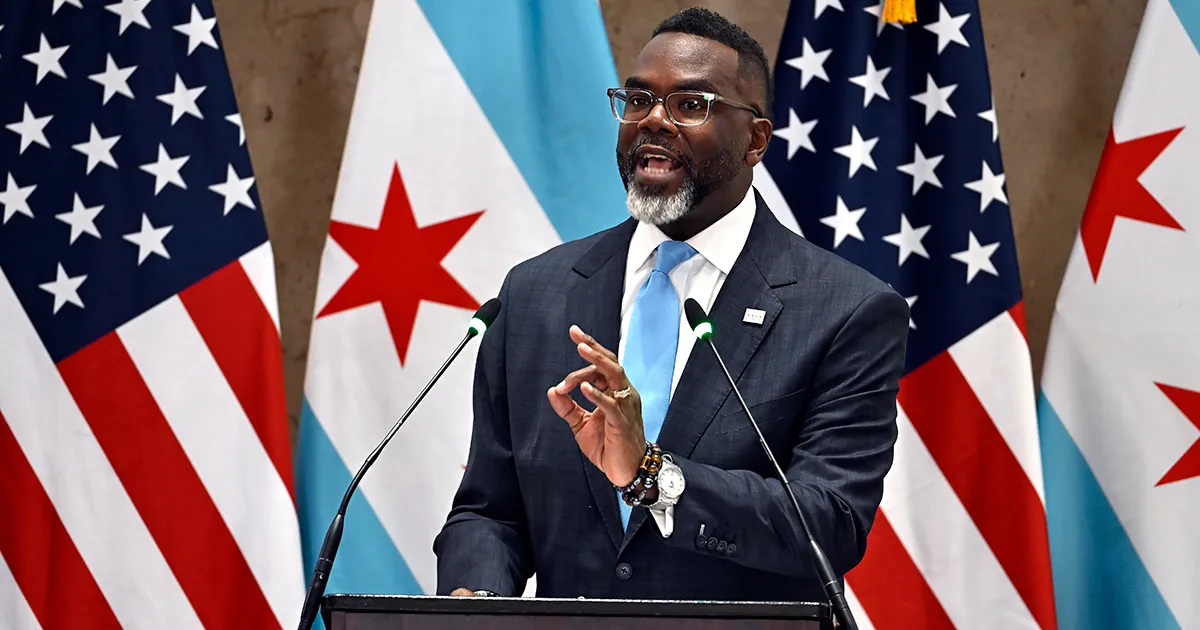
Mayor Brandon Johnson's administration blames "reckless financing methods" from past administrations for the bind. Since taking office in 2023, Johnson has added $1.9 billion to the city's debt. The city borrowed $166 million in 2026 to pay firefighters for four years of work without a contract and $267 million to cover soaring police misconduct lawsuit costs.
Chicago officials can decide how to spend only one-third of the annual budget. The rest is locked into debt payments, pensions, and federally or state-mandated spending. The result: restaurant inspections lag, sidewalk complaints pile up, and the Public Health Department lacks caseworkers for lead poisoning intervention.
Johnson reopened two of six mental health clinics he promised to restore. A third reopening in 2027 depends on a court fight over whether Chicago can tax social media companies like Facebook and YouTube.