Chicago owes $55 billion, split between $19 billion in loan payments and $36 billion in pension obligations. The city must spend billions annually from its main account to service this debt.
Three major decisions created this financial crisis.
In 2000, Chicago's pension funds were 85% funded. The dot-com bubble burst in 2000 and the Great Recession hit in 2007, wiping out nearly $16 billion. Then in 2005, the state legislature, at the request of Mayor Richard M. Daley, allowed the city to contribute less annually than needed to pay retirees. In 2006 and 2007, Daley stopped making contributions to four pension funds entirely. The City Council approved this nearly unanimously. The "pension holiday" let Daley balance the budget without raising property taxes. By 2010, the state banned future pension holidays and set a firm repayment schedule. Two pension funds must reach 90% funding by 2055, two others by 2058. This spiked annual payments.
A 2011 pension benefits reduction for new hires created a second problem. The benefits fell below the federal minimum required for public sector workers. In 2021 and 2025, lawmakers agreed to raise benefits for police and firefighters to meet federal minimums. City projections show fixing those funds will cost an additional $11 billion over three decades. Gov. JB Pritzker signed the legislation despite objections from city officials.
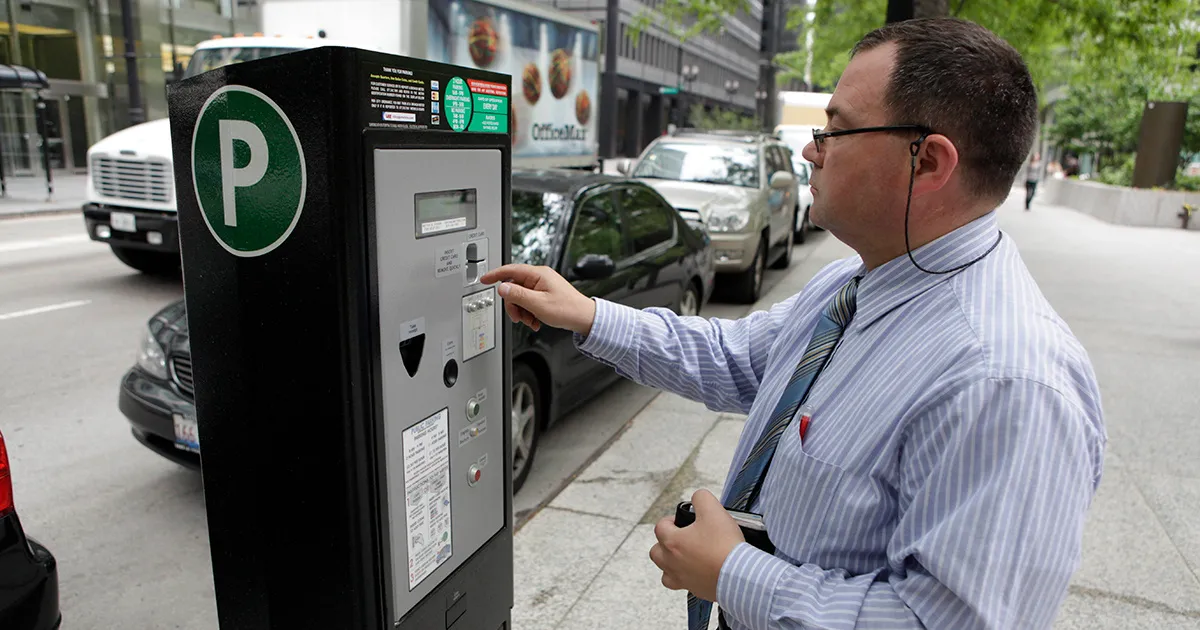
In 2008, facing a large deficit, Daley and the City Council leased the city's parking meters to investment funds for 75 years in exchange for $1.5 billion upfront. The new owners raised parking rates immediately. By 2025, the meters generated $2.2 billion in revenue for investors with 58 years remaining. Mayor Brandon Johnson said this year that buying the meters back for $3.2 billion was "far too high." Elected officials across the political spectrum agree the city should have raised property taxes instead.
Property taxes jumped in 2021 when Mayor Lori Lightfoot raised them by $93.9 million and implemented automatic annual increases tied to inflation. Johnson campaigned against the automatic increases, forcing Lightfoot to drop a proposed $42.7 million hike in 2023. The automatic increase was eliminated, though it could have prevented credit rating downgrades and reduced budget gaps.
From 2019 to 2025, Chicago paid nearly $730 million to resolve police misconduct lawsuits, according to a WTTW News analysis. In 2026 alone, the city spent more than $277 million, including nearly $100 million to resolve 90 lawsuits involving former Sgt. Ronald Watts, who was convicted in 2013 of taking bribes. Johnson has urged the City Council to borrow an additional $481 million to cover misconduct costs.