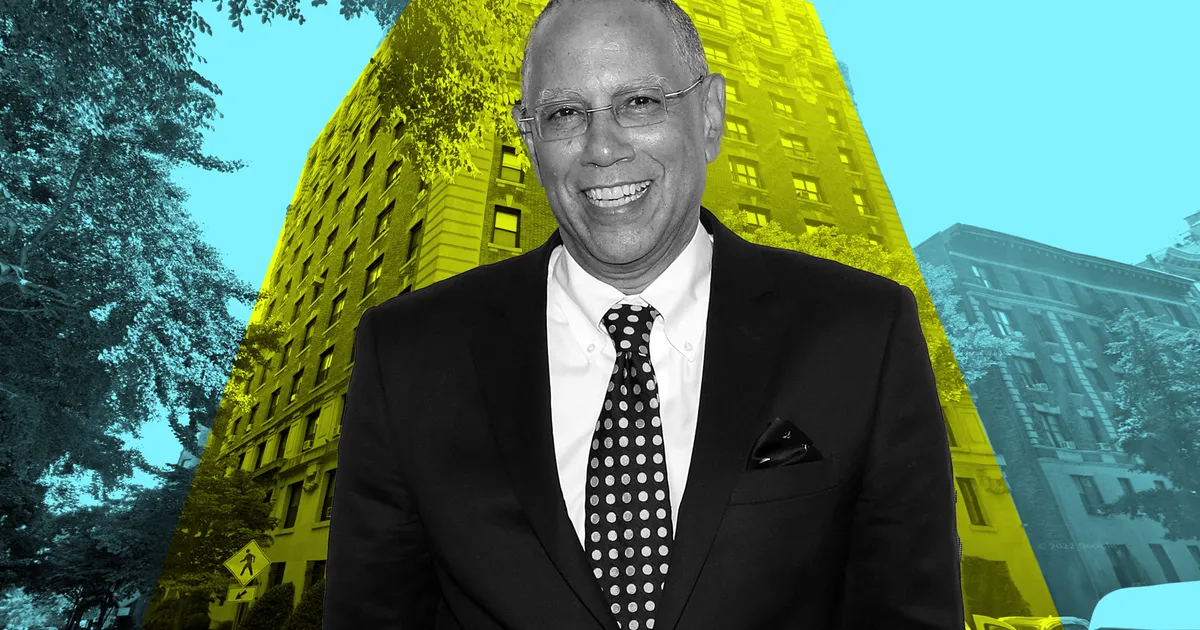
Dean Baquet's decision to purchase a one-bedroom apartment on Riverside Drive for $1.17 million offers a revealing glimpse into how New York's media establishment views real estate as both investment and identity. The Pulitzer Prize–winning journalist and first Black executive editor of the New York Times, who stepped down at age 65 after navigating the first Trump term, the pandemic, and the paper's transformation into an industry juggernaut, is making a deliberate statement about where he belongs in this city's geography and social hierarchy.
What's particularly striking about Baquet's move is the pattern it reflects. After spending more than a decade in Greenwich Village—literally around the corner from his successor at the Times—he's returning to territory that clearly holds significance for him. He attended Columbia in the 1970s before launching his storied career in New Orleans and Chicago, where he won a Pulitzer for investigating City Council corruption at the Tribune. When he returned to New York in 1990 as a metro reporter at the Times, he and his wife, author Dylan Landis, purchased an apartment on West 73rd Street and established themselves as fixtures in the city's cultural scene, hosting dinner parties attended by prominent figures like Marty Baron.
The financial trajectory deserves scrutiny. The couple sold their Greenwich Village two-bedroom in 2023 for just shy of $2.2 million, though they retained a smaller unit in the same co-op purchased for $550,000. They also own a four-bedroom house in Los Angeles's Hancock Park neighborhood acquired in 2021 for nearly $2.1 million. This latest $1.17 million purchase on Riverside Drive suggests not a downsizing but a strategic repositioning—an intentional choice to anchor himself in a neighborhood that serves his needs and reflects his status.
The apartment itself appears chosen with care. The renovated one-bedroom features wide-plank hardwood floors, direct Hudson River views, a generously sized bedroom, and a windowed chef's kitchen—space appropriate for someone who prepares his family's Creole recipes. With a full-time doorman, live-in super, and convenient access to the Eighth Avenue headquarters via the 96th Street station, it's the practical choice of someone still engaged with the newsroom while heading the Times's local-investigations fellowships.
Baquet's return to the Upper West Side, an area with an extremely high concentration of Times-reading elders, underscores a broader truth: for New York's media leadership, certain neighborhoods remain non-negotiable. The Upper West Side isn't just real estate; it's affirmation of arrival and belonging in the circles that matter most.