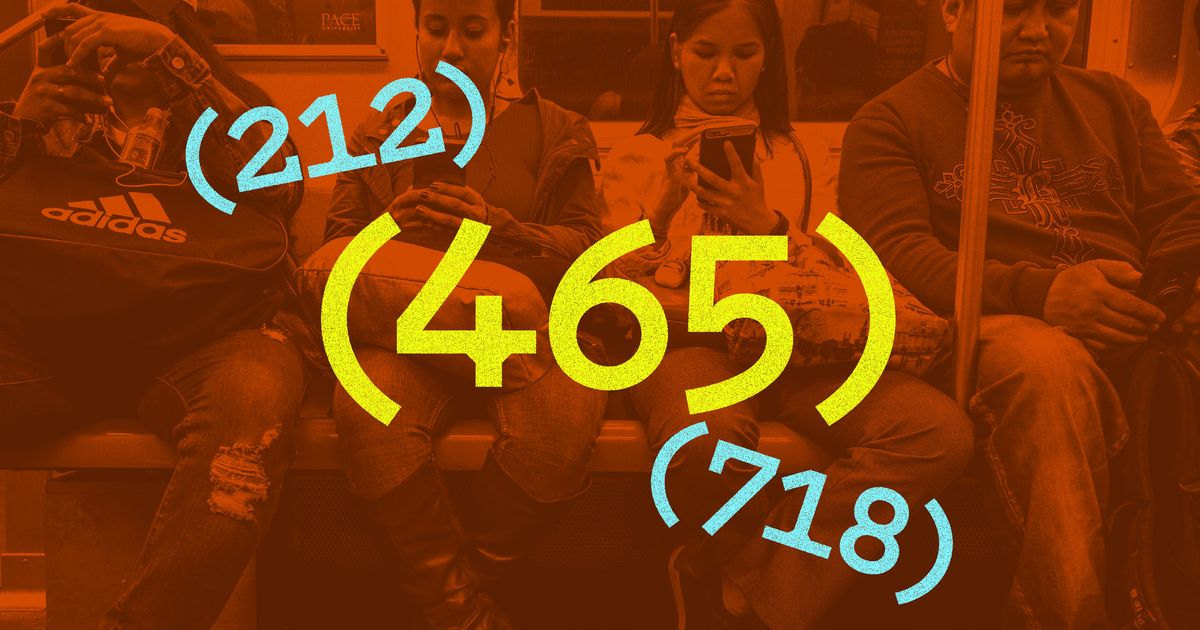
New York City is getting a fresh area code this month. The 465 area code launches across the tri-state region to handle the exploding demand for phone numbers in one of America's most densely populated metros.
The 212, 718, 646, and 347 area codes that currently serve Manhattan, Brooklyn, Queens, and the Bronx are running out of available numbers. Phone carriers have exhausted existing supplies. The 465 code rolls out as an overlay, meaning it covers the same geographic footprint as existing codes rather than replacing them. Residents and businesses keep their current numbers. New phone lines, from residents moving to the area to fresh commercial tenants leasing office space, will be assigned 465 numbers.
The overlay approach creates practical headaches. Dialing becomes mandatory for all calls, even local ones, where callers must use the full 10-digit number instead of just the seven-digit local prefix. This applies to the entire region. Existing infrastructure, phone systems, and contact databases across offices and homes will need updates.
For real estate professionals, the 465 code signals something concrete. NYC's tri-state area continues attracting residents and businesses at scale. Phone number depletion happens only in markets with sustained growth and migration. Commercial landlords and developers tracking occupancy rates and tenant demand see this as validation. The metro area remains a magnet for relocation despite high costs.
For property buyers and renters, the area code change is largely cosmetic. It doesn't affect property values, rental rates, or neighborhood identities. A 465 number carries no prestige or penalty against a 212 or 646 number. The overlay simply reflects demographic and economic momentum in the region.
The transition period will create minor friction. Businesses with long-established phone numbers tied to their brand may feel the shift. Contact centers and customer service operations need to