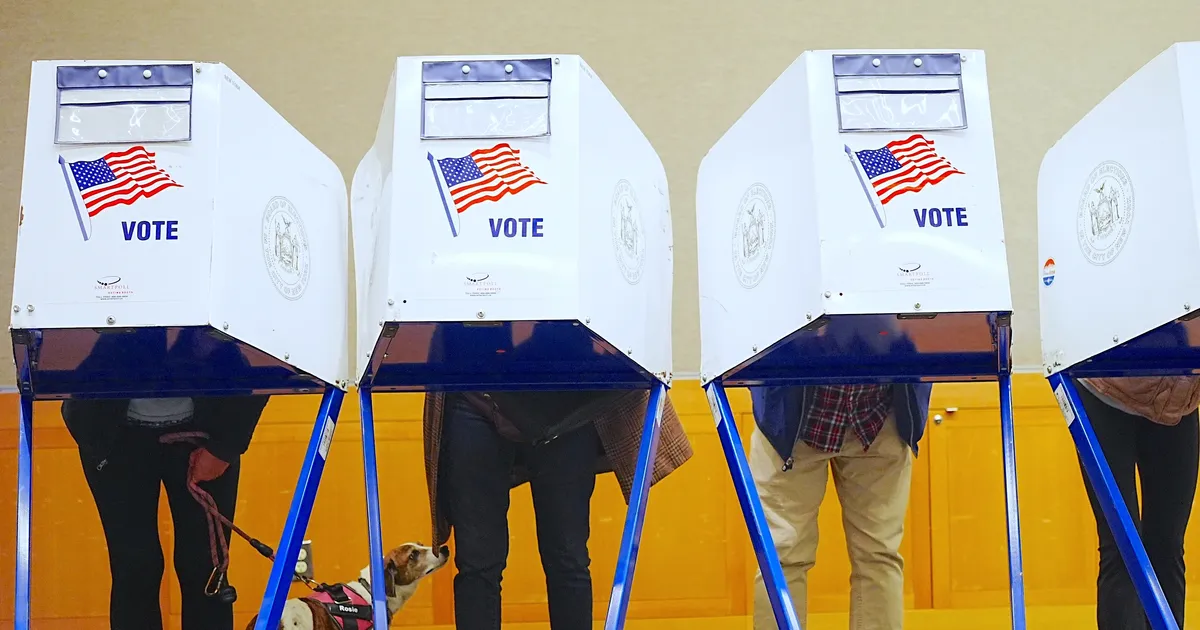
New York City voters will decide on five charter amendments this election cycle, with Propositions 1, 3, and 4 drawing the most attention for infrastructure and permitting changes.
Proposition 1 would speed up permits for outdoor dining and public space uses by making public hearings optional and cutting approval time from eight months to two months. The City Council would lose the ability to reject a permit after the Department of Transportation approves it. The New York City Hospitality Alliance backs the measure. Common Cause opposes it, saying it removes meaningful public input on decisions affecting public spaces. The Municipal Art Society of New York supports it.
Proposition 3 bundles three changes: speeding up bike- and bus-lane construction by 33 percent through faster agency reviews, allowing the city to sell small lots and development rights in 90 days instead of seven months, and eliminating hearings for city office-space leases. The Municipal Art Society and New York Landmarks Conservancy oppose this proposal, citing concerns about insufficient safeguards for public land sales and the removal of public review for landmarked properties. Good-government groups including Reinvent Albany and Citizens Union back it, though Reinvent Albany noted its support focused on the safe-streets component.
Proposition 4 would create a centralized permitting hub at the Department of Buildings and move waterfront permitting from the Department of Small Business Services to DOB. Common Cause and good-government groups support this measure.
The Columbia Street Waterfront District urges voters to reject all five proposals, calling them a "coordinated power grab" that strips community input. City Council Speaker Julie Menin said she will not spend council resources on ballot measure campaigns. Pro-development groups including Abundance New York and Open New York back the measures.