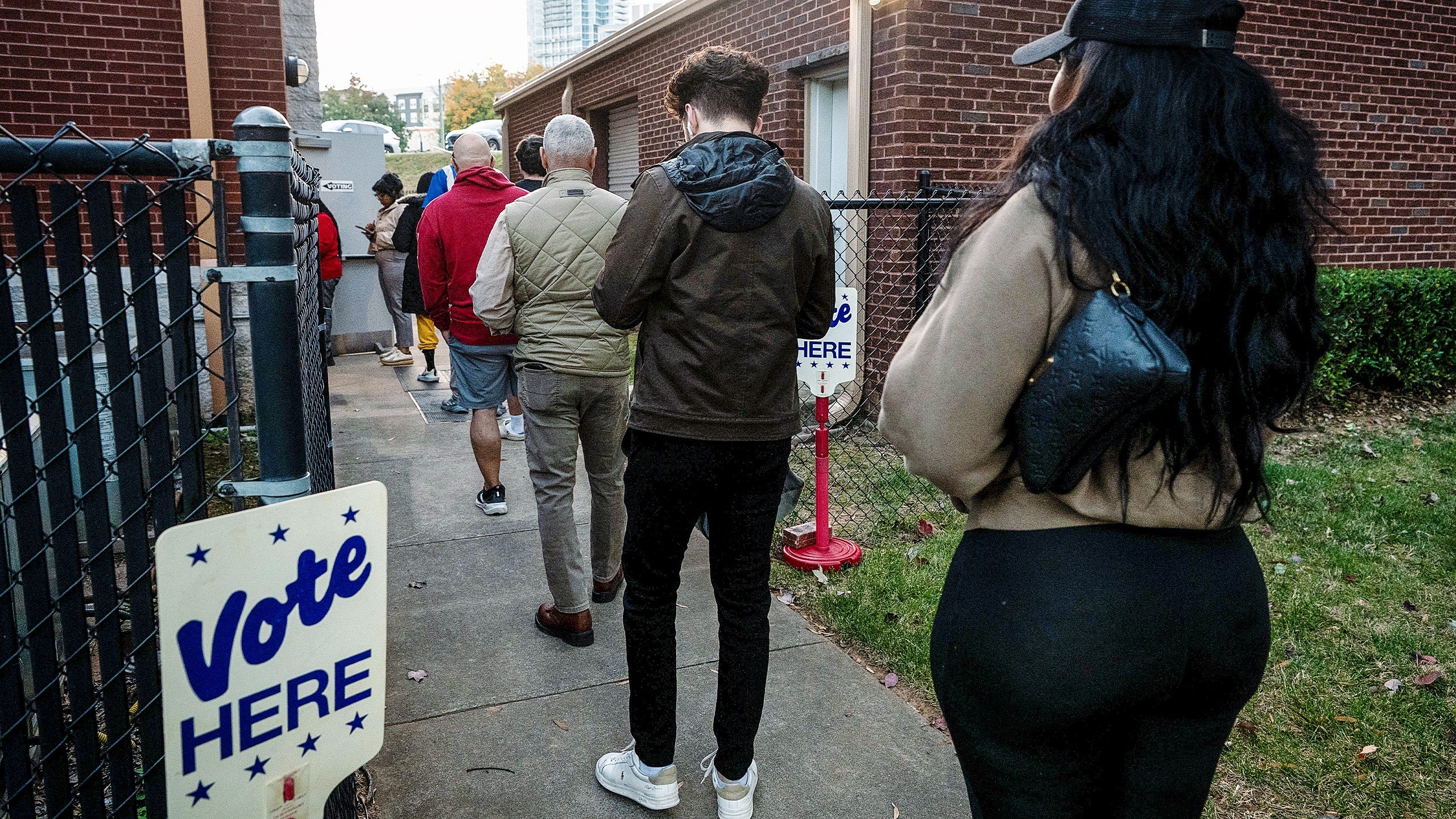
North Carolina voters narrowly approved House Bill 1089 on Tuesday, a constitutional amendment to limit property tax increases. The measure received 60.4% support, just barely clearing the 60% threshold required to pass.
The amendment does not specify how tax increases will be limited. The North Carolina General Assembly will decide the terms.
House Speaker Destin Hall championed the measure, arguing that property assessments have risen faster than inflation and population growth, allowing local governments to collect billions more than justified. "Families are getting ripped off as some, but by no means all, local governments rake in billions more than inflation and population growth warrant," Hall said in a press release.
Conservatives and commercial organizations backed the amendment as a way to curb local government spending and protect property owners.
Opponents raised concerns about the impact on schools and local services. Tamika Walker Kelly, president of the North Carolina Association of Educators, said the cap protects large landowners while harming families who depend on public schools. "When local revenue is constrained, schools feel it immediately with overcrowded classrooms, aging school buildings, and educators stretched too thin," Kelly told NC Newsline.
The North Carolina Housing Coalition argued the proposal would benefit larger corporate property owners more than single-family homeowners.
North Carolina's average effective property tax rate on owner-occupied housing is 0.66%, relatively low compared with New Jersey and Illinois, where the rate is 1.88%, according to Tax Foundation.