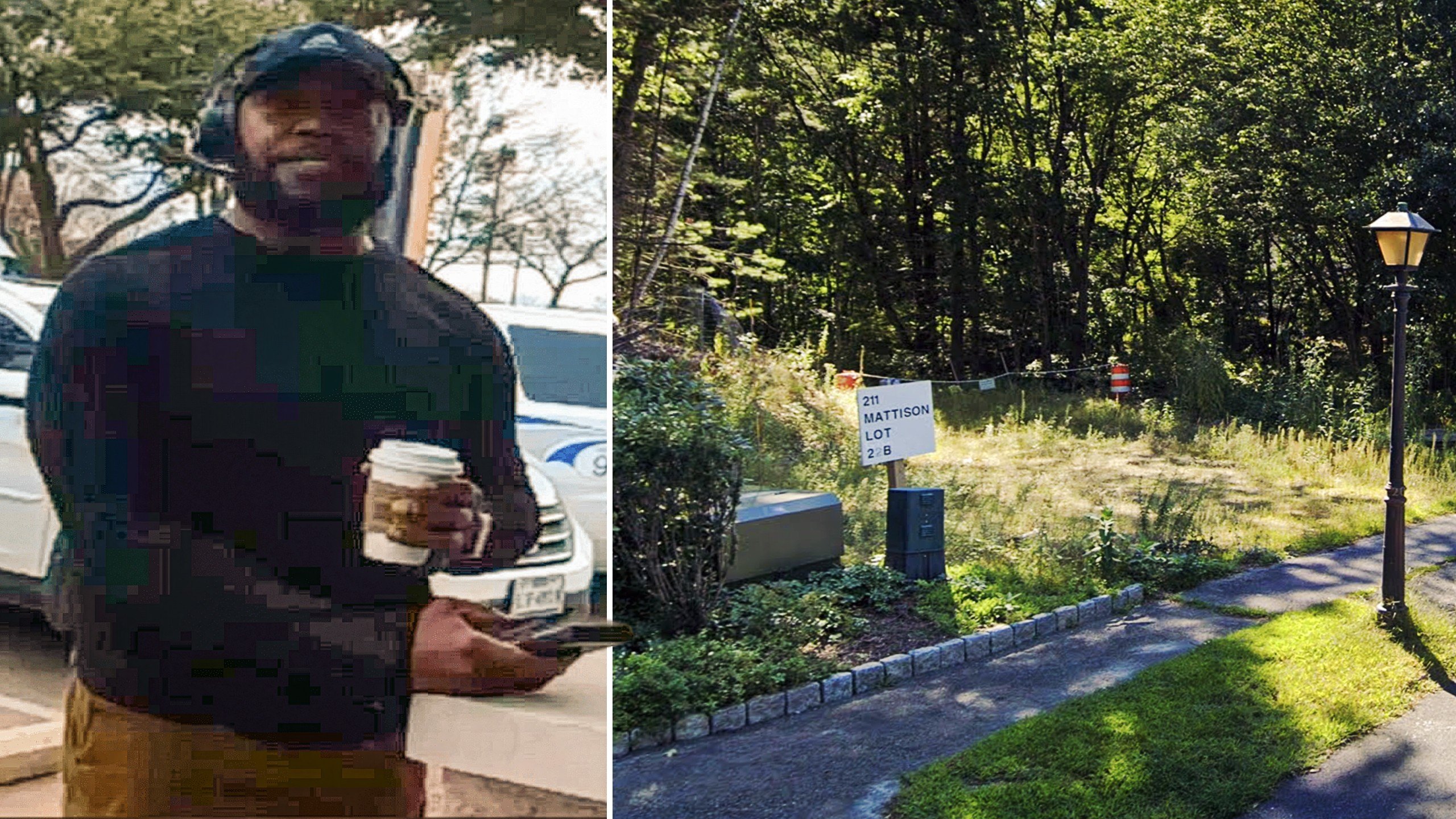
Moshe Levi, 61, of Carrollton, Texas, pleaded guilty in Boston federal court this week to conspiracy to commit wire fraud and conspiracy to commit money laundering. He admitted to helping carry out a $1.5 million deed fraud scheme that targeted vacant properties in Massachusetts, Georgia, Indiana, and Tennessee.
Levi and his co-conspirators impersonated property owners by creating fake email and phone accounts in their names, obtaining forged driver's licenses and passports, and persuading real estate agents to list and sell the properties. They then laundered the proceeds through bank accounts using checks and wire transfers to conceal the source and ownership of the money.
One victim, Halla Shami Jaraki of South Carolina, owned a vacant lot in Concord, Massachusetts. Someone posing as her sold the property in 2024 for roughly $525,000. Developers began construction but stopped after Jaraki obtained an injunction. She and her husband had hoped to return to Massachusetts or leave the land to one of their sons.
Since June 2023, Levi and others shared or attempted to share approximately $1 million in illegal proceeds, prosecutors said.
Levi faces sentencing on February 11, 2027. He faces up to 20 years on each of the two conspiracy counts. Prosecutors recommended prison time at the low end of sentencing guidelines, a fine at the low end of guidelines, three years of supervised release, forfeiture, and at least $1.34 million in restitution.
Kyon James of Middleborough, Massachusetts, and Bradley Beauge of Somerset, New Jersey, were charged alongside Levi. Money laundering conspiracy charges against them remain pending. A fourth co-conspirator is based in Nigeria.
In April 2025, the FBI's Boston office warned of increasing deed fraud cases tied to remote real estate transactions. A September survey from the American Land Title Association found 59% of title firms reported at least one incident of seller impersonation fraud in the prior year, more than double the 28% reported in 2024.