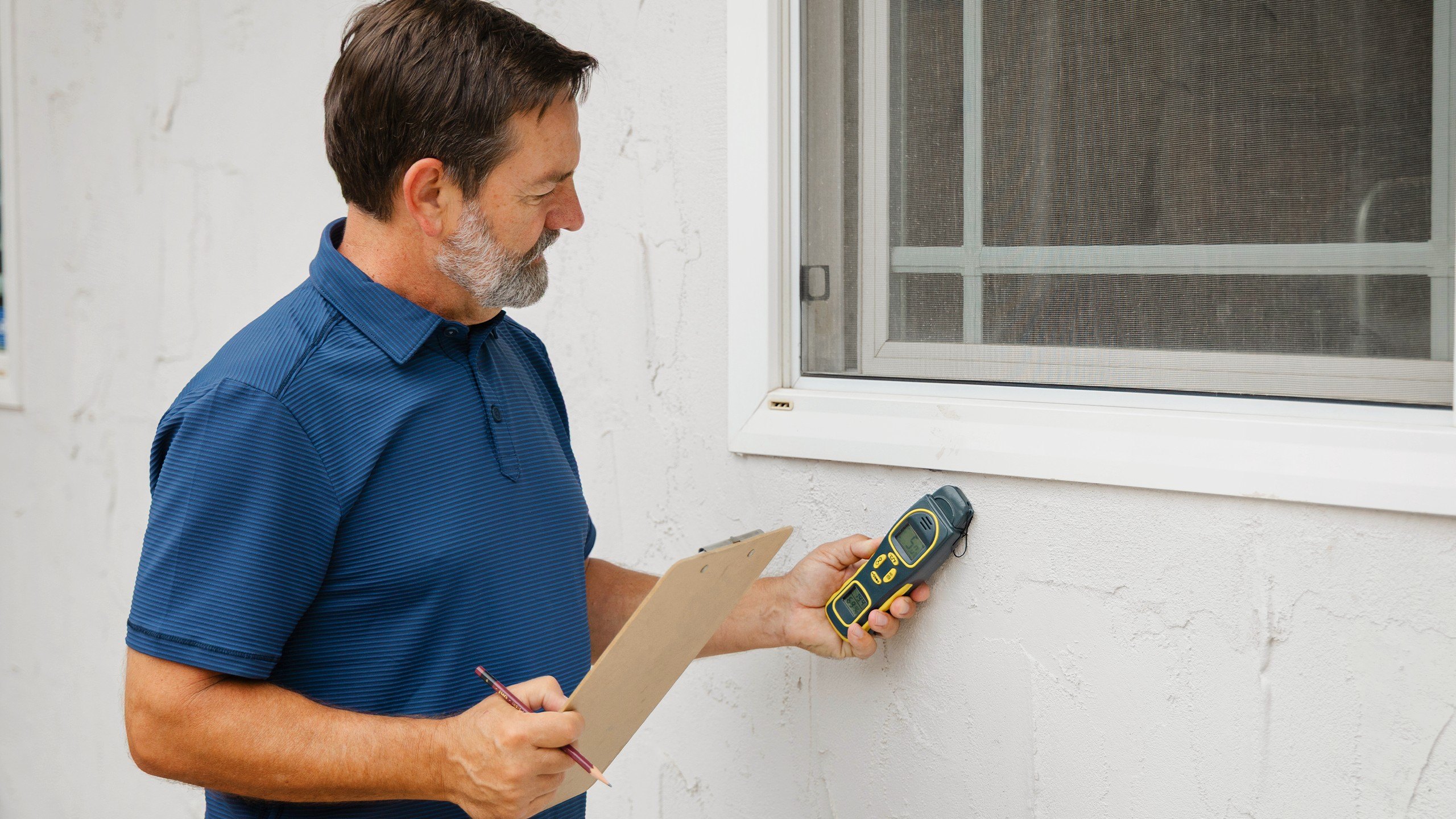
A homeowner can often obtain an energy audit for $50 or less through utility company subsidies, though typical costs range from $250 to $600 according to the Department of Energy.
A Connecticut resident paid only $50 for an energy audit thanks to an electric company subsidy. Many utility providers offer subsidized or free audits depending on location, provider, and income.
An energy audit identifies air leaks and insulation gaps that drive up utility bills. Andrew Pho, a home renovation expert at Mister Balustealing in Toronto, explains that sealing air leaks prevents water vapor from turning into liquid inside walls, which can avoid wood rot and mold repairs costing $5,000 or more.
According to Energy Star, proper insulation and air sealing can cut heating and cooling bills by as much as 15% on average. Dennis Vong, founder of Inland Power Wash in Orange County, California, calculates that homeowners spending $200 monthly on heating and cooling could save about $360 per year.
A complete audit should include a blower-door test to measure air leakage, inspection of attic and wall insulation, and evaluation of HVAC efficiency, Vong says. It should also provide written recommendations for improvements. Minor fixes like caulking and weatherstripping may be included or offered for additional cost.
Niki O'Brien, operations manager at Custom Exteriors in Loveland, Colorado, emphasizes checking attic insulation and ventilation to prevent freeze-thaw cycles that can trap moisture and cause ice damming and interior leaks.
To find subsidized audits, homeowners should call gas and electric providers. In Indianapolis, AES Indiana offers no-cost virtual assessments and free in-home assessments for qualifying customers by income. Massachusetts offers free audits through the Mass Save Program to qualifying homeowners, renters, and landlords, according to Ted Dow, vice president of delivery at Power Home Remodeling in Boston.