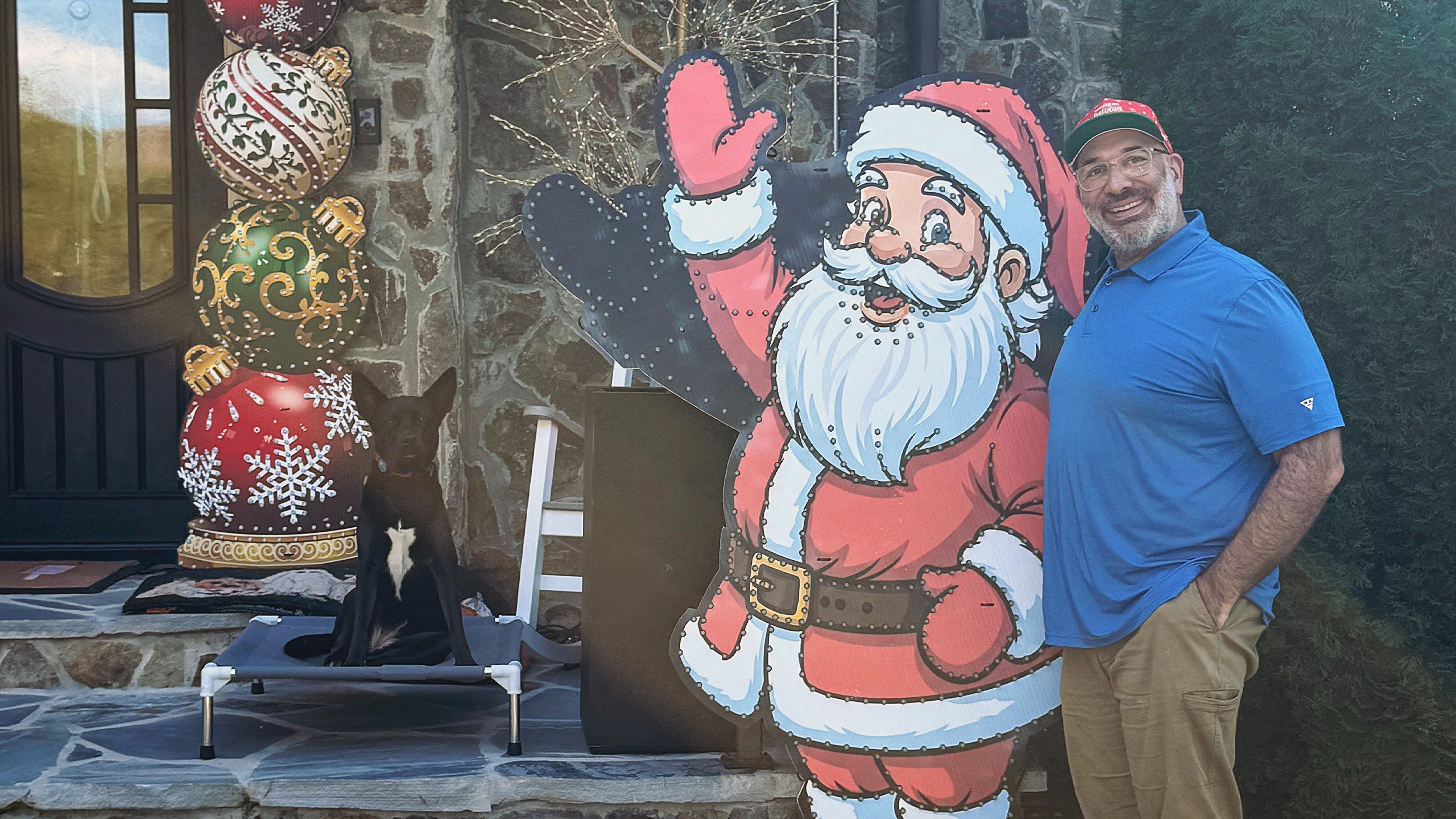
Neil Heuer's battle with the Aero Plantation HOA in Waxhaw, NC reveals a troubling pattern: when homeowner associations feel challenged on governance issues, they sometimes redirect their enforcement apparatus toward the inconvenient homeowner. Heuer's case, which involves a 60,000-light Christmas display that neighbors dub a safety hazard, appears to be less about the lights themselves and more about perceived insubordination within the community's power structure.
The timeline is telling. For five years, Heuer's elaborate holiday displays—complete with choreographed animatronic displays and coordinated music programming—apparently coexisted peacefully with his neighbors. Some neighbors even danced in his driveway during past shows. The trouble began two years ago, according to Heuer, after he objected to the HOA board's vice president spending reserve funds on a golf course rejuvenation project. When Heuer later started an anonymous newsletter asking critical questions about HOA spending, things escalated dramatically. Once his identity was revealed, Heuer contends they 'basically weaponized the HOA against me.' At the September 2026 hearing, the board found Heuer violated lighting and signage size restrictions but notably 'did not find a violation exists at this time' regarding visitor traffic—the alleged safety hazard that prompted the legal action. This selective enforcement suggests the real grievance may have little to do with public safety.
The proposed bylaw amendments scheduled for a January vote reveal the HOA's true intent. New rules would establish 'standards for public attractions and activities that generate substantial or recurring nonresident traffic' and create restrictions on 'flashing, strobing, pulsating, and high-intensity exterior lighting.' These sweeping changes appear designed specifically to prohibit Heuer's displays in the future rather than address genuine safety concerns. Notably, HOA President David Arno declined to comment substantively, instead deferring to the legal process and the membership vote.
What's particularly troubling is the HOA's August letter from legal counsel Benjamin Karb, which characterized inviting 'unknown members of the public' as 'the type of offensive activity that is a nuisance.' This framing—treating visitors as inherently offensive—contradicts Heuer's observation that unrecognized cars drive through the private community daily without complaint. The real offense appears to be challenging the board's authority on golf course spending and the management decisions that followed.
Homeowner associations serve an important function, but they can become tools of retaliation when boards feel questioned. The Aero Plantation situation illustrates why governance transparency and proportional enforcement matter. A display that delighted neighbors for five years shouldn't suddenly become intolerable after a homeowner asks inconvenient questions about reserve fund allocation. The fact that Heuer and his wife have decided to leave Aero Plantation suggests the community's loss is real—not from the lights, but from driving away engaged homeowners who dare to demand accountability.